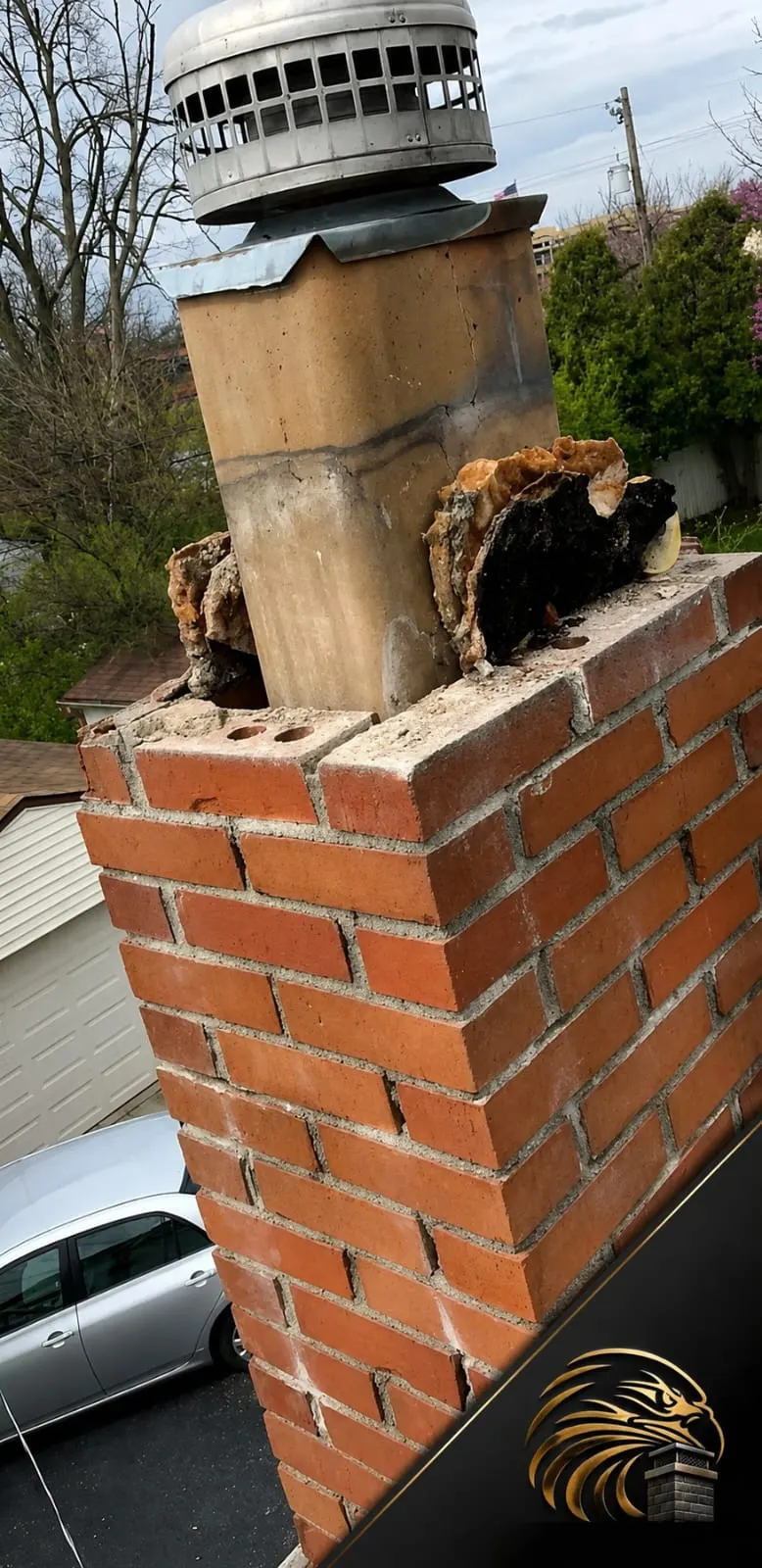
Stainless steel relining for cracked clay tiles and failing flues — a smooth, sealed, correctly sized flue installed in about a day, without rebuilding the chimney.
The liner is the chimney's inner wall — the surface that actually contains heat, smoke and exhaust gases. Most Grand Strand homes built before the 1990s still run on original clay tile liners, and clay cracks with age, chimney fires, settling and storm movement. A cracked liner is not just an efficiency problem: it is a path for heat, sparks and carbon monoxide to reach the framing around the chimney.
Stainless steel relining is the modern cure. We run a camera first and show you the tiles directly — if they are sound, we say so, and a liner is not something you need to buy. If they are cracked, offset or missing mortar, a stainless liner restores a smooth, sealed, correctly sized flue, typically in about a day, without rebuilding the chimney.
Tell us about your chimney or gas fireplace — we confirm every request by phone. Prefer to talk? Call (843) 427-3756.
Clay tile fails in predictable ways: thermal shock from a chimney fire cracks tiles in a spiderweb pattern; settling and storm flexing offset the joints; and in heating flues, acidic condensate eats the mortar between tiles from the inside until sections wash out entirely. Because all of it happens above the smoke chamber, homeowners rarely know until a camera goes in — which is why liner condition is the single most common finding on our Level 2 inspections of older Myrtle Beach and Georgetown homes.
A liner is not one-size-fits-all. Too large, and exhaust cools and slows — more creosote, more condensation, worse draft. Too small, and the appliance cannot breathe. We size the liner to the appliance it serves and the height of the chimney, insulate where required, and connect it with a proper top plate and cap. The paperwork — liner specification and warranty — goes to you in writing, which matters at resale: a documented reline is an asset in a home sale, not a question mark.
Real photos from a recent Eagle flue liners & relining job — the same parts, fittings and process we bring to Grand Strand homes.
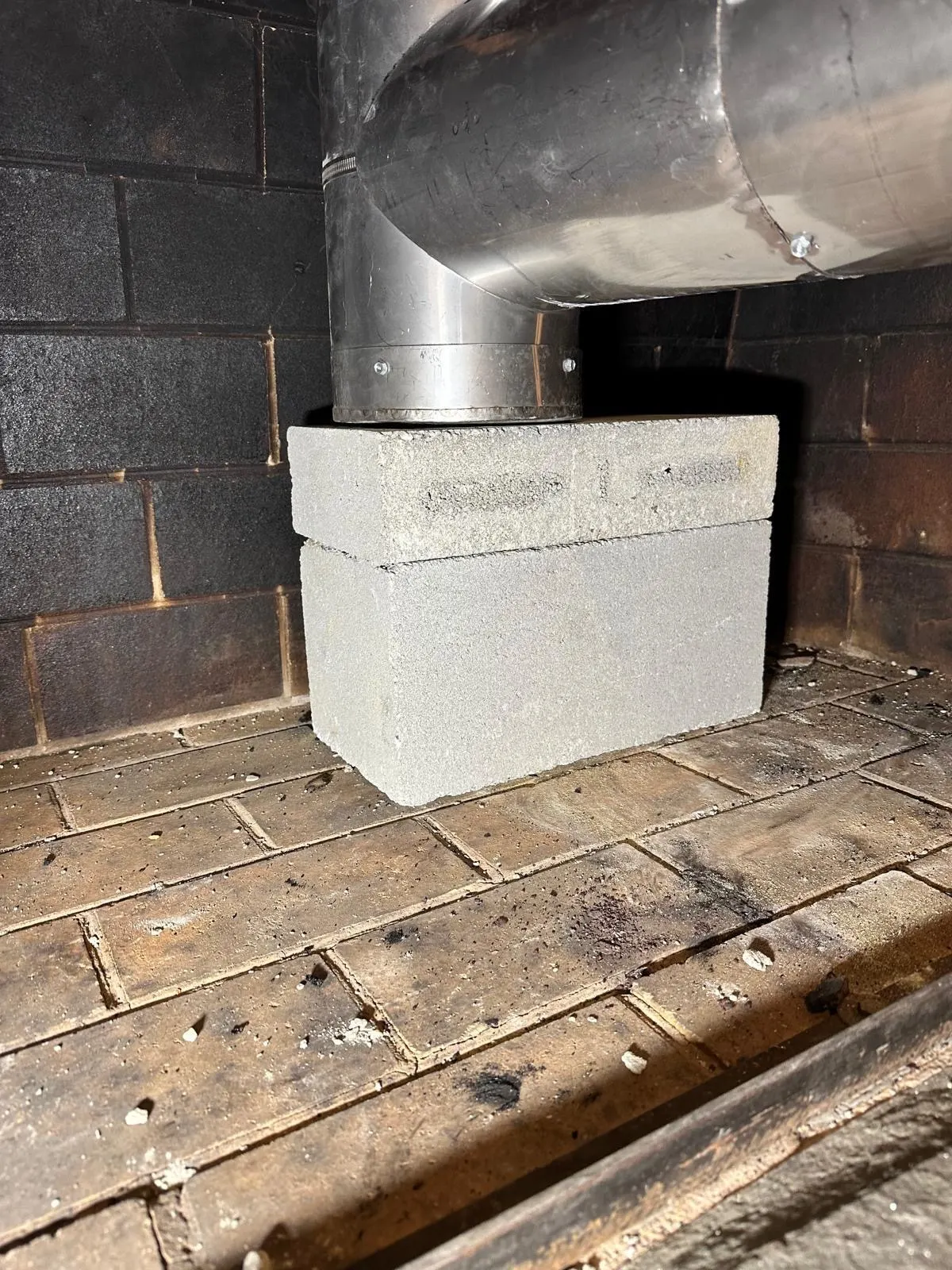
The liner tee at the bottom of a new stainless liner, where the appliance connects.
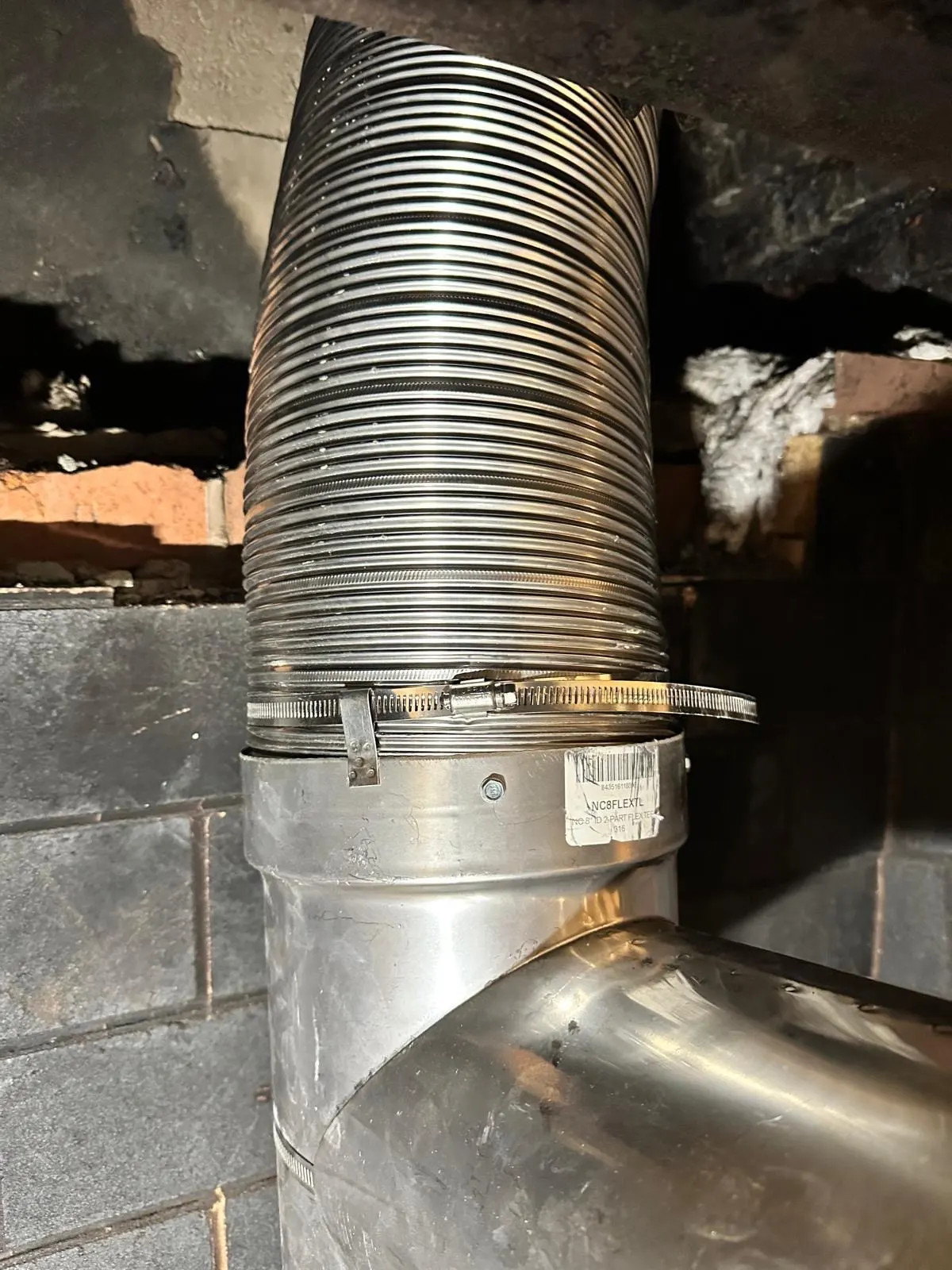
The flexible liner clamped to the tee — the joint that has to stay sealed for the life of the liner.
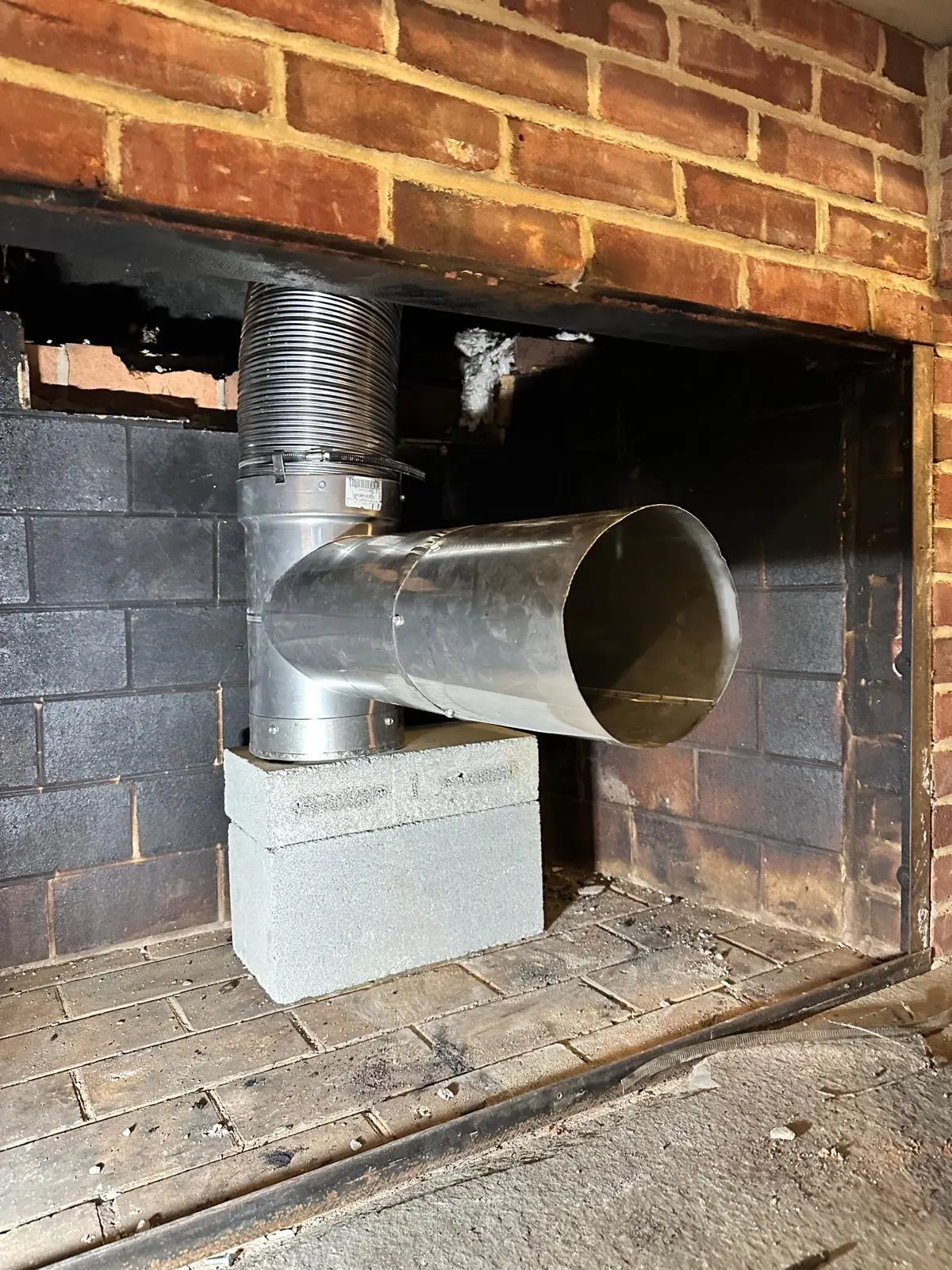
The tee fitted inside the firebox, ready for the stove connector.
We provide flue liners & relining in every community we serve — including Myrtle Beach · North Myrtle Beach · Surfside Beach · Conway · Little River · Loris · Georgetown — and all 14 communities in our service area.
This work is searched for by many names. Every service below is performed as part of — or booked through — this one:
No — once a tile cracks there is no repairing it in place; the section has to come out, which usually means opening the chimney or removing tiles from the top down. That is a large part of why stainless relining, which bypasses the tile entirely, is the modern default.
Typically about a day. The old tile is broken out or bypassed, the new liner is lowered in one piece, insulated, connected and capped — and quality stainless systems carry a lifetime warranty when professionally installed and maintained.
Ask for camera evidence. A Level 2 inspection runs a camera the full length of the flue and shows the tiles directly: cracked, displaced or missing sections are visible facts. Be wary of any liner quote that arrives without that evidence.
It can — a smooth, correctly sized flue drafts better than a cracked, oversized one. But smoking has several causes, and our draft diagnosis makes sure a liner is the fix for yours before you spend on it.
Yes. Relining both flues in one mobilization costs less than two separate jobs, and the heating flue is often the one in worse shape.
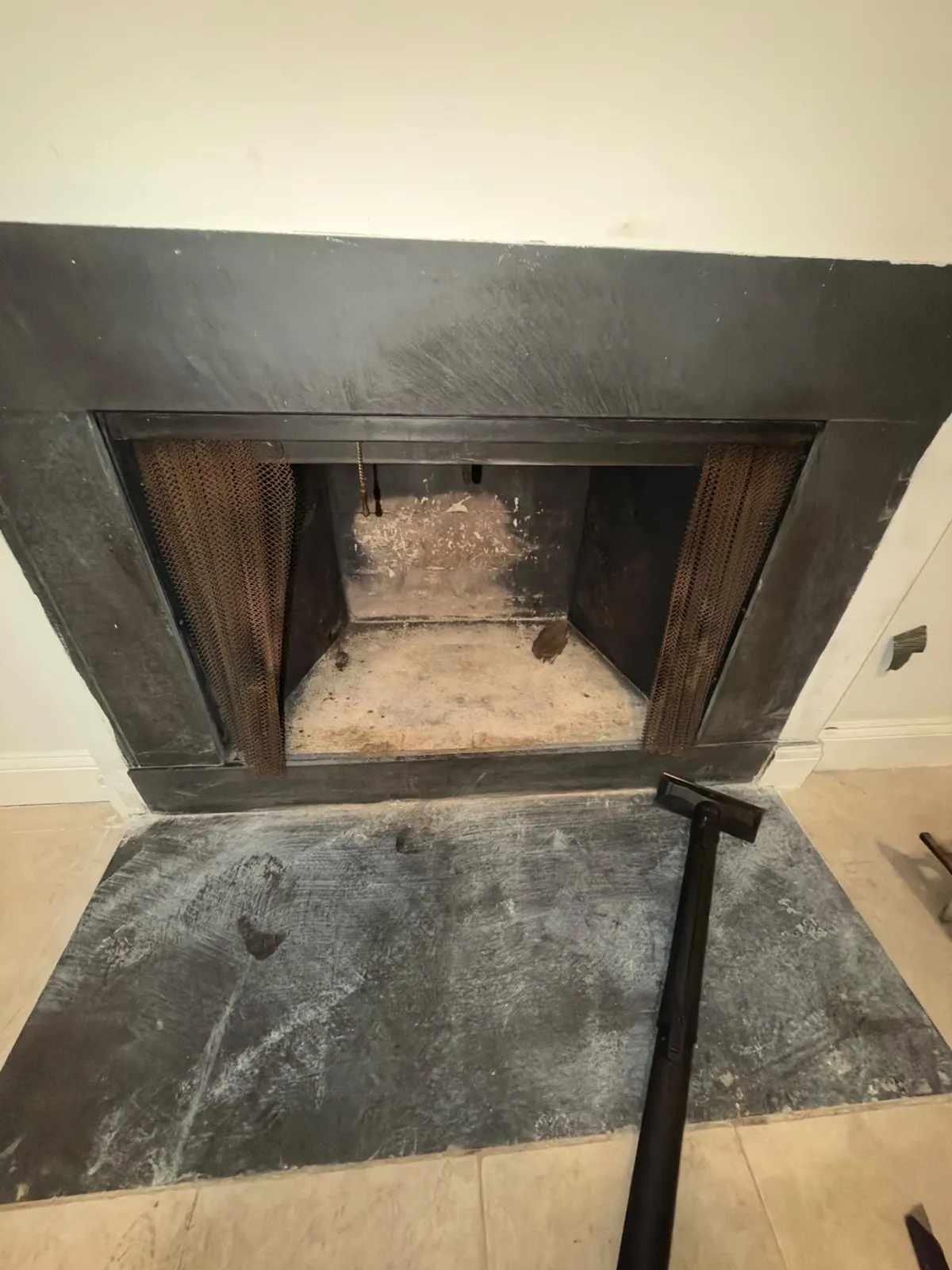
A full sweep of the flue, firebox and smoke chamber — creosote gone, draft restored, and a written condition report before we leave.
Learn more →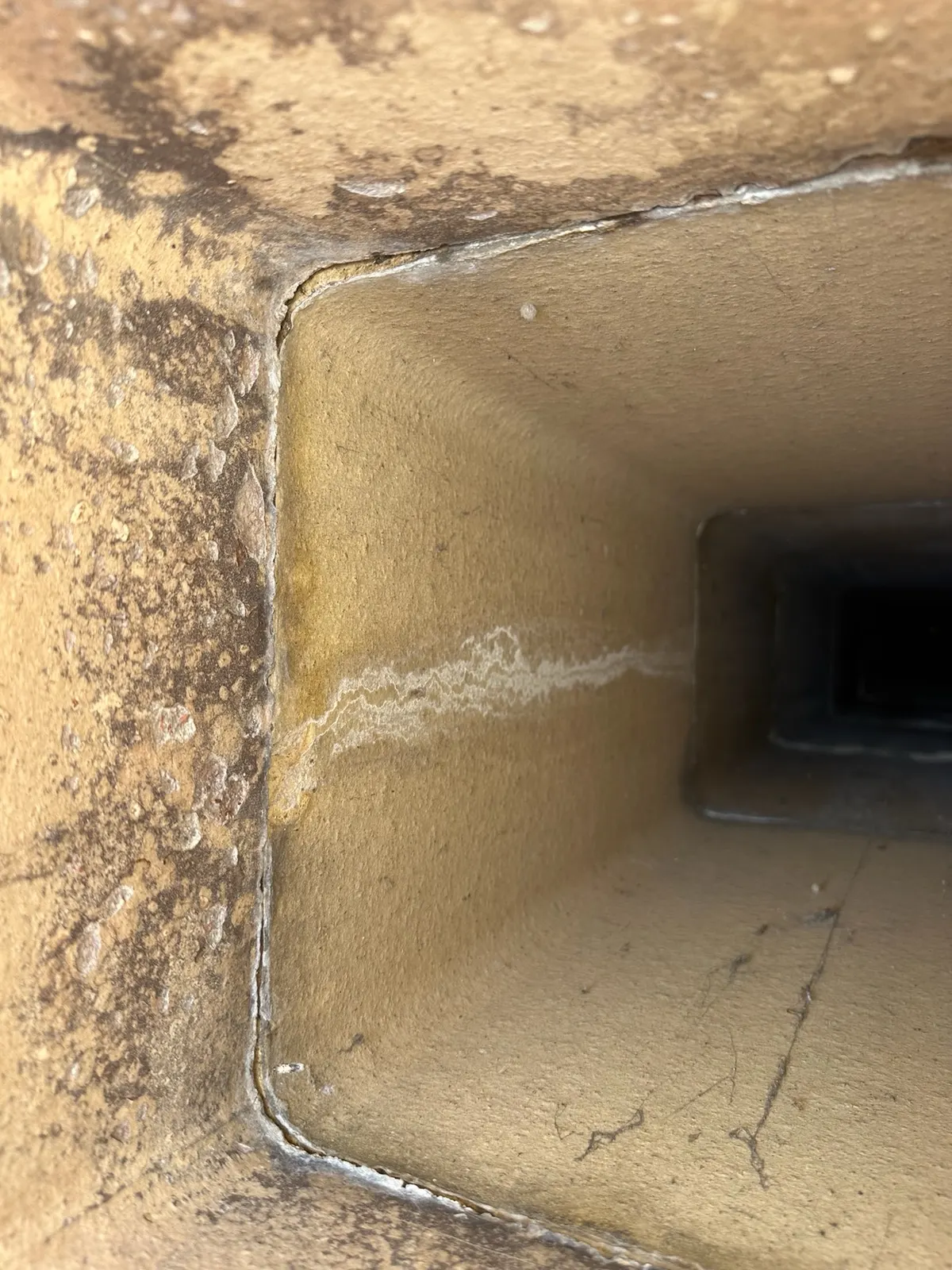
Level 1 and Level 2 chimney inspections with camera scanning, a photo report and straight answers — for annual checks, home sales and after a chimney fire.
Learn more →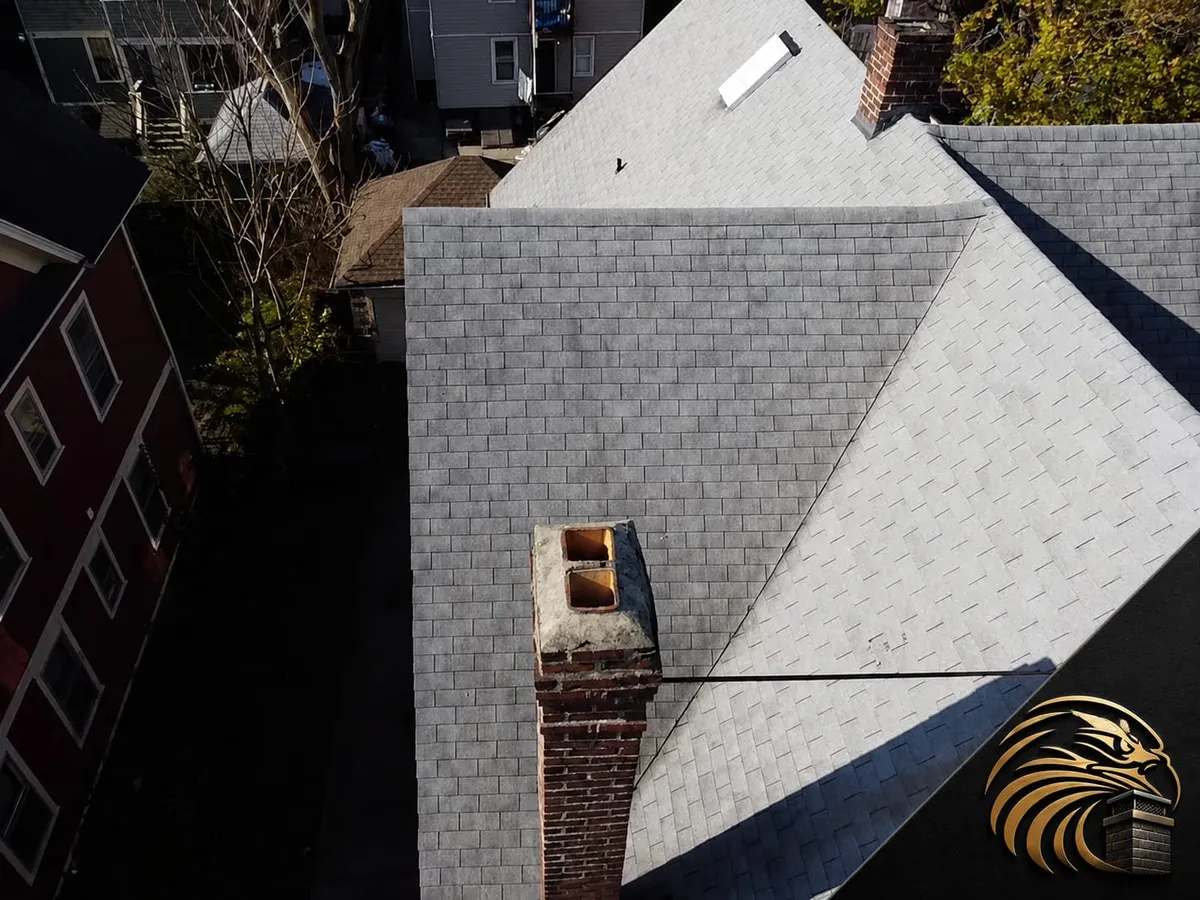
The annual inspection for chimneys in regular service: every accessible part checked, condition documented, safety confirmed for another season.
Learn more →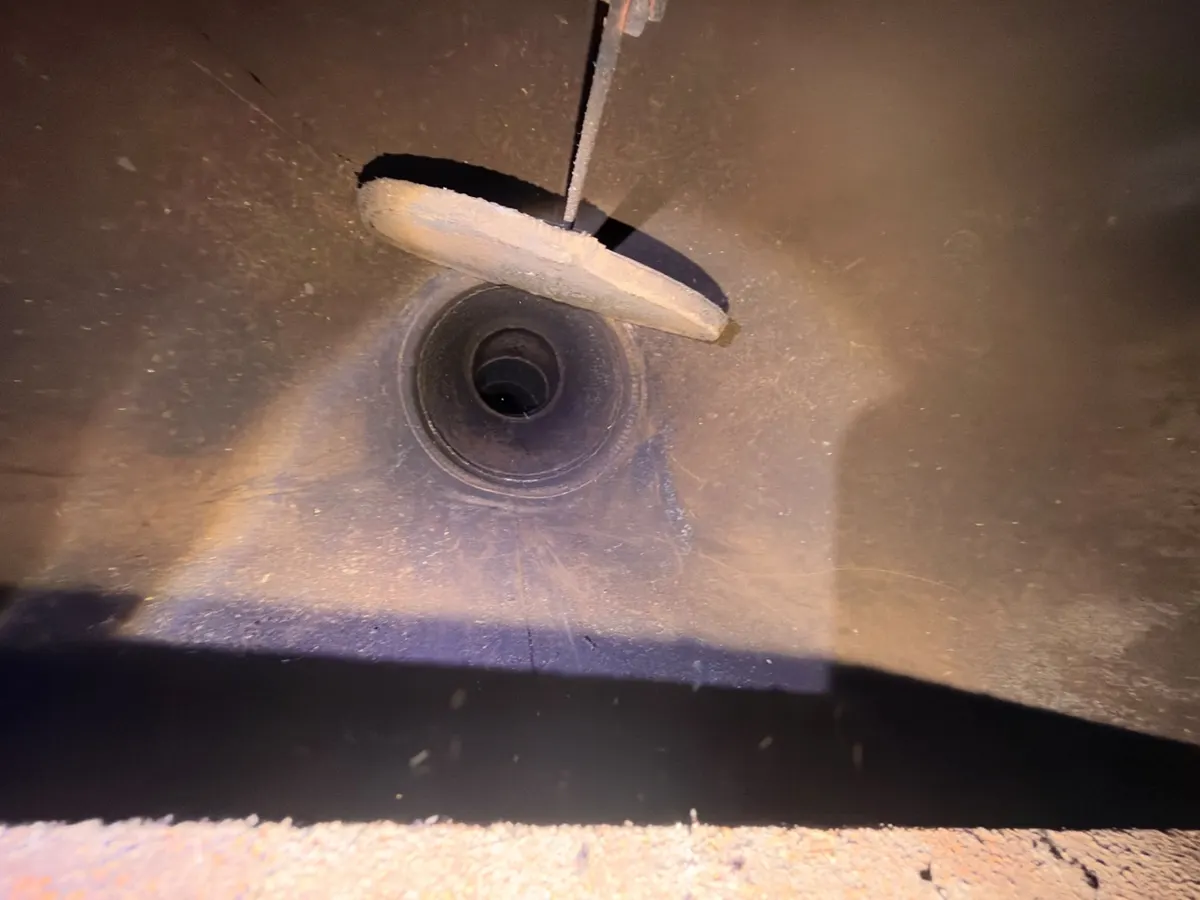
Camera inspection of the entire flue, plus attics, crawl spaces and concealed areas — the inspection for home sales, chimney fires and appliance changes.
Learn more →