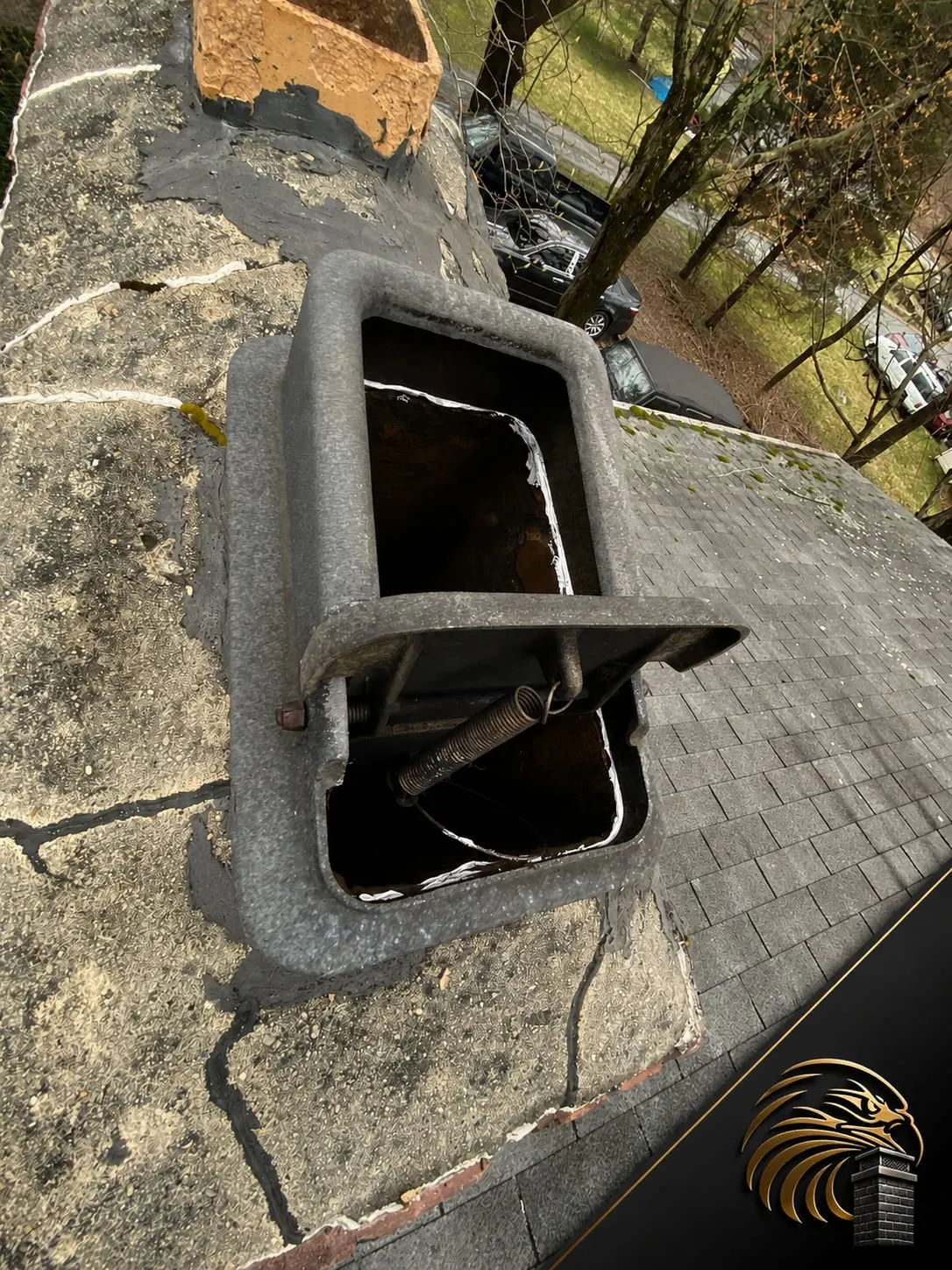
Throat damper repair and top-sealing damper installation — stop the cold air, humidity and odor that pour down an unsealed flue.
The damper is the door between your house and your chimney, and most older dampers no longer close it. Cast-iron throat dampers warp and rust over decades of heat, soot and coastal humidity until the plate sits partway open around the clock — an open window at the top of your house, all year: heated and cooled air out, humid air and campfire odor in.
We repair throat dampers that are worth repairing and replace failed ones — most often with a top-sealing damper, which mounts at the very top of the flue and closes with a gasketed seal operated by a cable. Sealing at the top stops the whole column of air above the firebox, keeps weather and animals out like a cap does, and typically ends the hearth draft completely.
Tell us about your chimney or gas fireplace — we confirm every request by phone. Prefer to talk? Call (843) 427-3756.
A Grand Strand home is air-conditioned for much of the year, and an unsealed flue leaks that cooled air out while pulling humid air in — you can feel it as a cool draft at the hearth in winter and smell it as campfire odor in summer. For second homes that sit closed between visits, the damper is also the barrier that keeps the flue's moisture and smell out of a shut-up house. A top-sealing damper is routinely the single most noticeable comfort fix we make.
A throat damper with a sound casting, a working linkage and a plate that still sits flat can often be repaired — cleaned, freed, adjusted. A warped, cracked or rusted-through plate cannot be made to seal, and money spent trying is wasted. We show you the damper's condition with photos and recommend the honest route; replacement with a top-sealing model is usually the last damper a home ever needs.
This work is searched for by many names. Every service below is performed as part of — or booked through — this one:
It mounts at the very top of the flue and closes with a gasketed seal, worked by a cable down to the fireplace. Sealing at the top stops the whole column of cold air above the firebox, keeps weather and animals out like a cap does, and typically ends the hearth draft completely.
Because most older throat dampers no longer seal: decades of heat, soot and moisture warp and rust the cast-iron plate until it sits partway open around the clock. The flue becomes an open window all year.
Yes — top-sealing dampers close the flue completely when shut and serve the cap's weather and animal functions while adding the air seal a cap cannot provide.
No — a simple pull chain with a latch, mounted in the firebox. Open before lighting, close after the fire is fully out. We walk you through it before we leave.
Most top-sealing damper installations finish in about an hour, usually paired with a sweep so the flue starts clean.
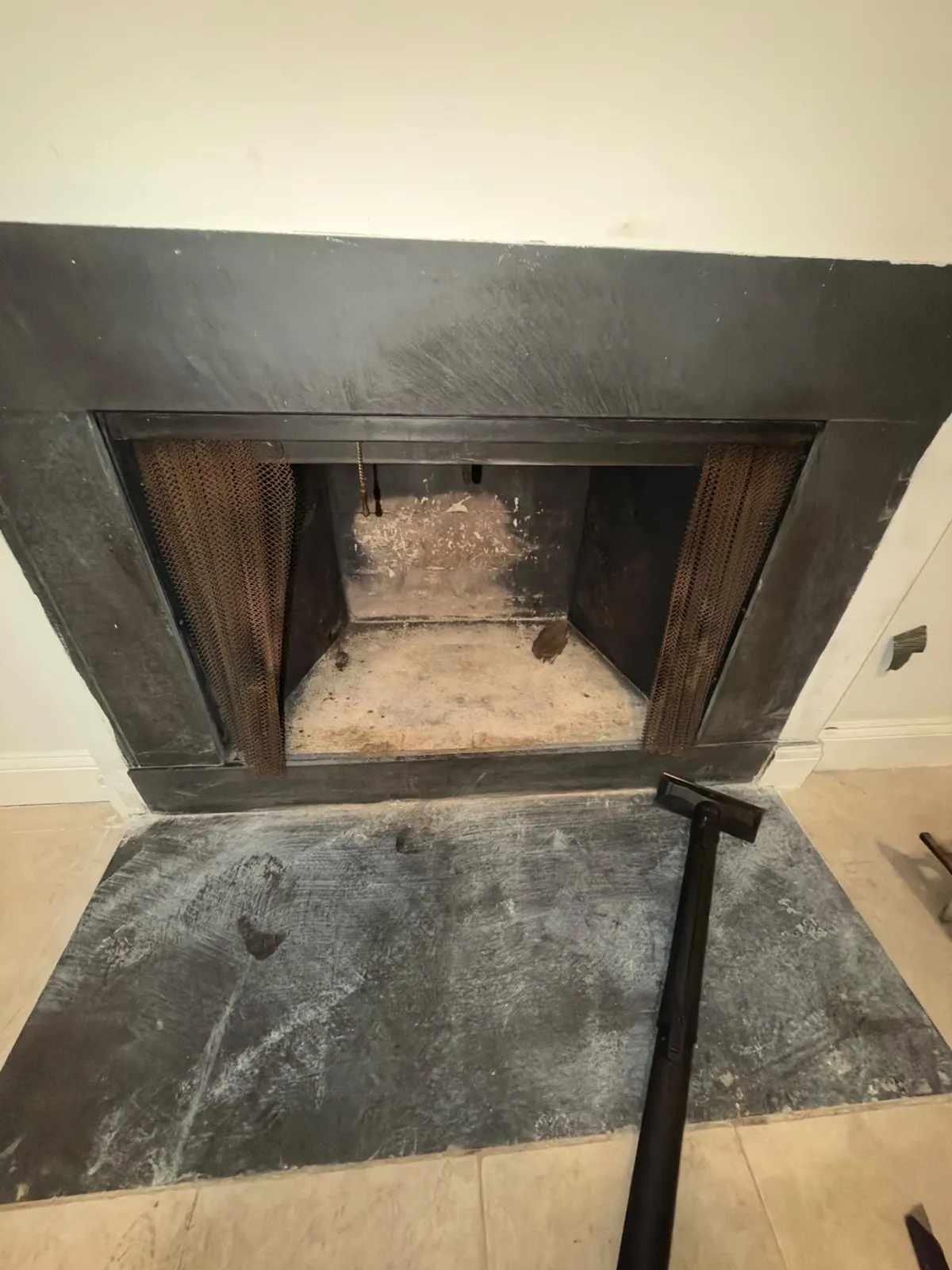
A full sweep of the flue, firebox and smoke chamber — creosote gone, draft restored, and a written condition report before we leave.
Learn more →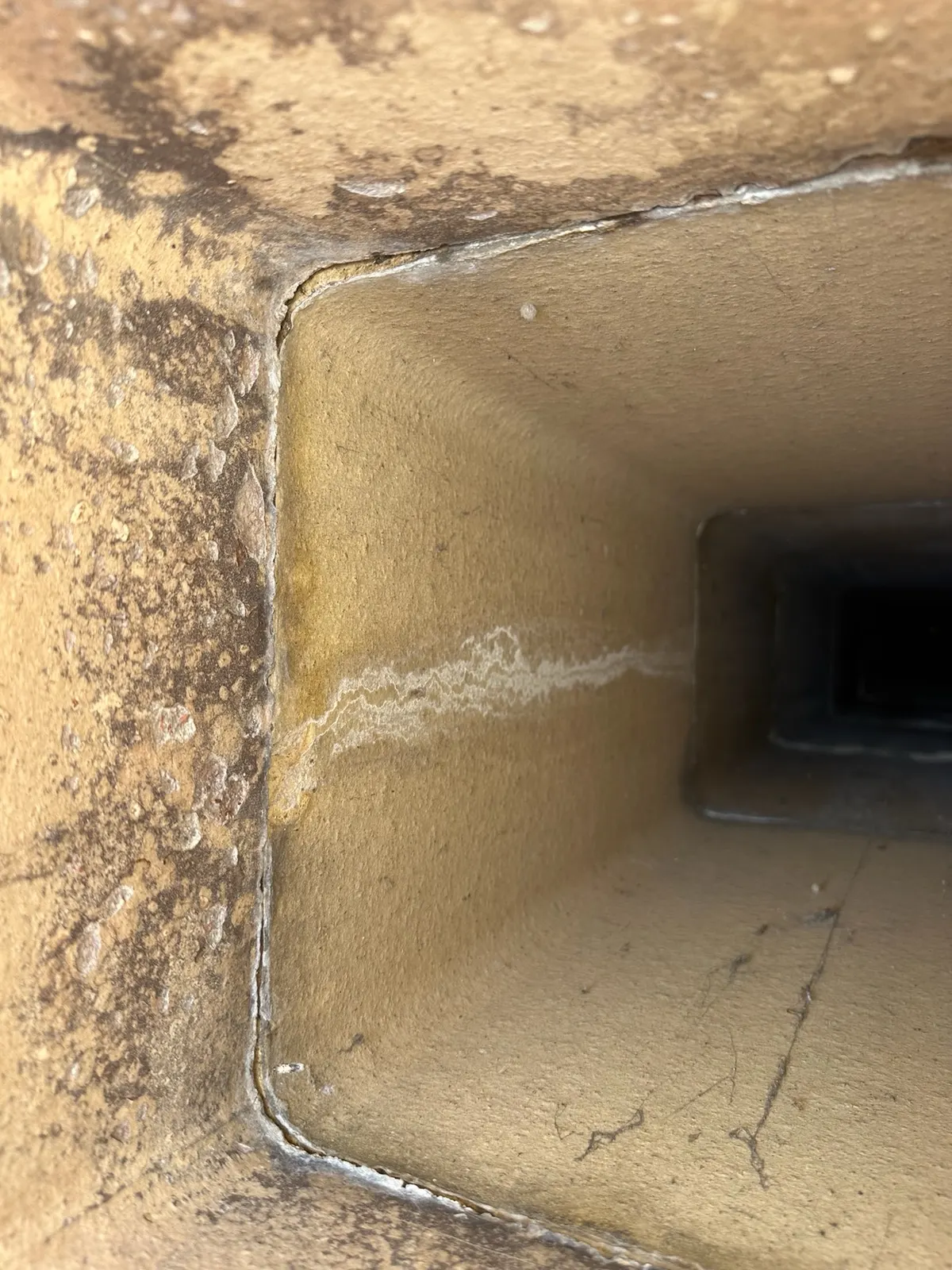
Level 1 and Level 2 chimney inspections with camera scanning, a photo report and straight answers — for annual checks, home sales and after a chimney fire.
Learn more →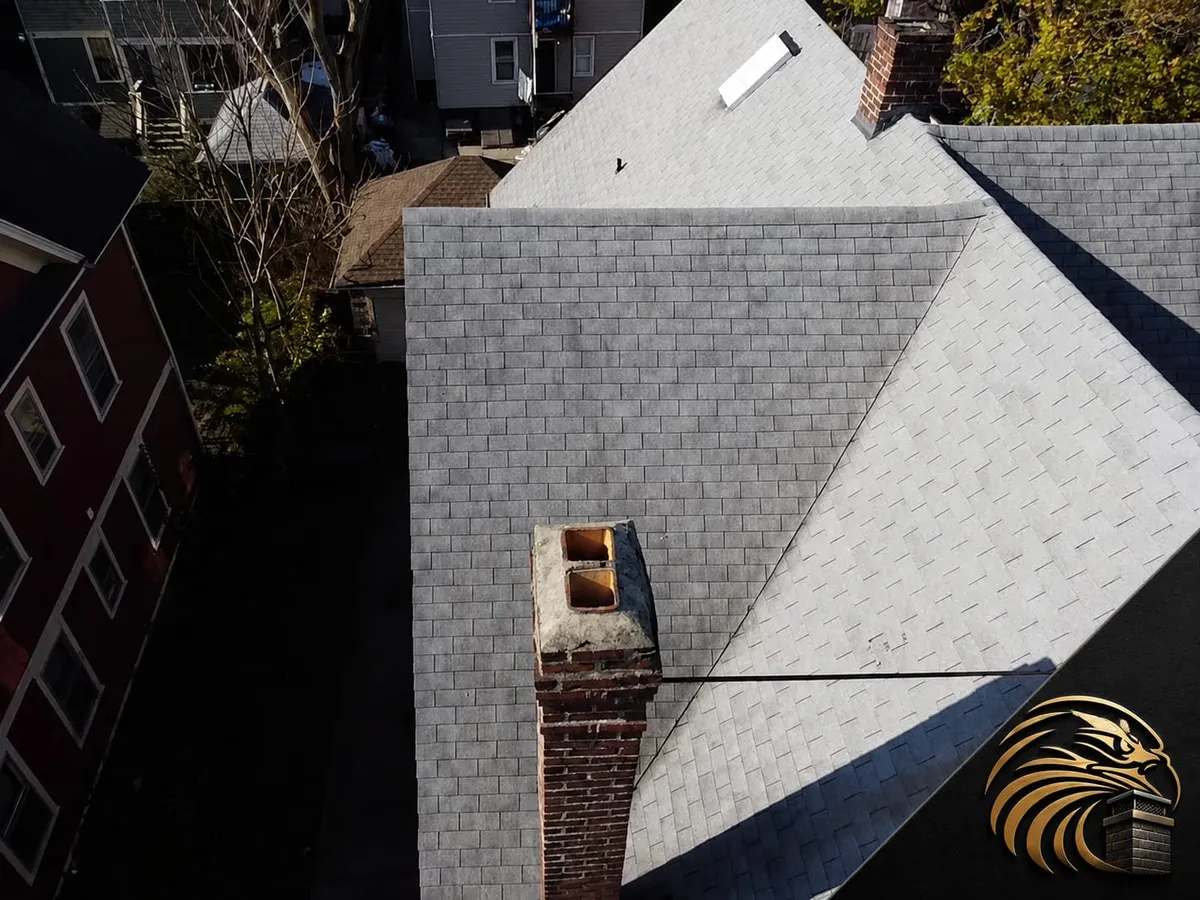
The annual inspection for chimneys in regular service: every accessible part checked, condition documented, safety confirmed for another season.
Learn more →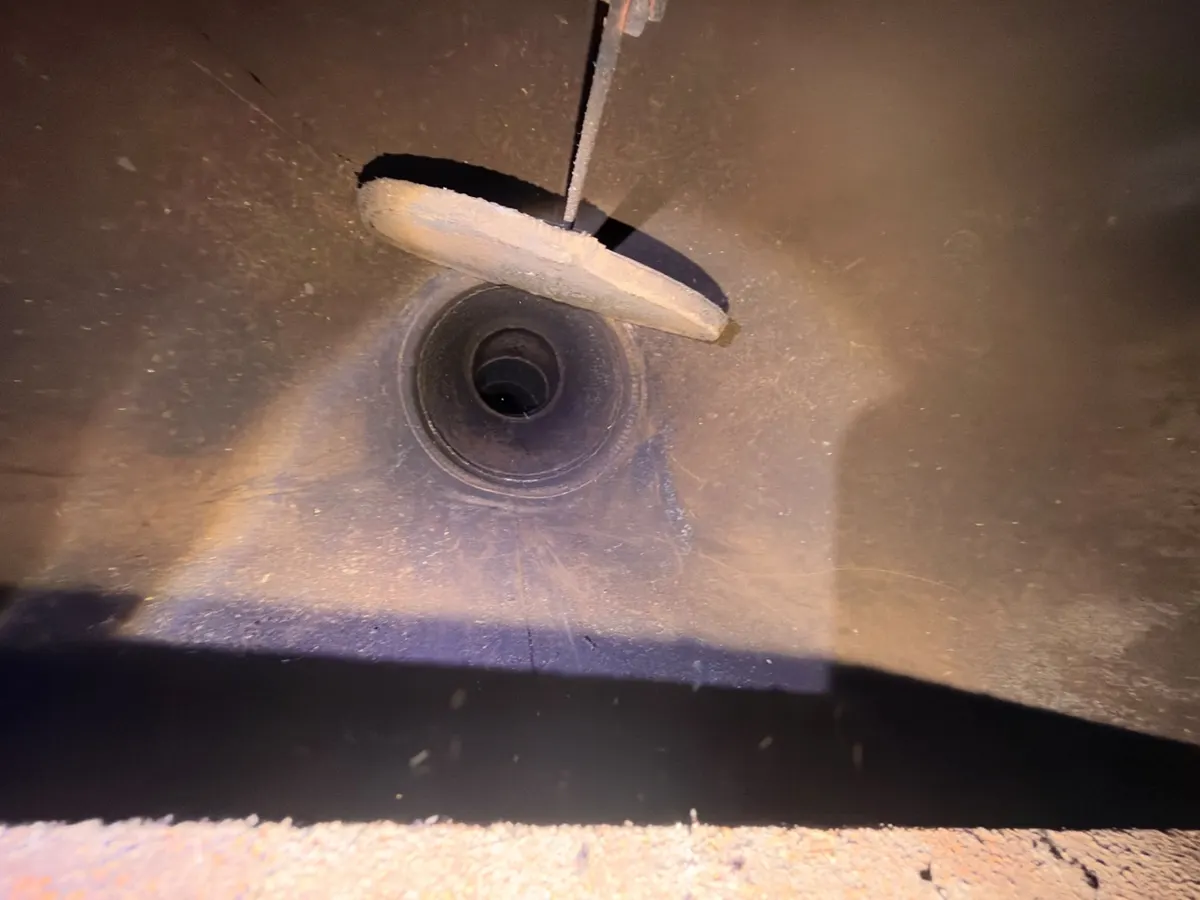
Camera inspection of the entire flue, plus attics, crawl spaces and concealed areas — the inspection for home sales, chimney fires and appliance changes.
Learn more →