Humane removal of birds, raccoons and squirrels from chimneys — and the caps that keep them out for good. Protected species handled on their legal schedule.
An uncapped chimney is a hollow tree, and coastal wildlife treats it that way: raccoons raise litters on smoke shelves, squirrels nest in flues, and chimney swifts — the Grand Strand's summer residents — glue their nests to flue walls and raise young inside chimneys all season. Scratching sounds, debris in the firebox and flies in the house are the usual announcements.
We remove animals humanely and legally, clean the nesting debris out of the flue, and cap the chimney so the story does not repeat. One honest complication: chimney swifts are federally protected, and a nest with young cannot be disturbed until the birds fledge and leave in the fall. When swifts are the tenants, we tell you the timeline plainly, make the fireplace safe to leave unused, and return to clean and cap once they have gone.
Tell us about your chimney or gas fireplace — we confirm every request by phone. Prefer to talk? Call (843) 427-3756.
It is the most dangerous idea in this business: a nest in the flue can catch, block the exhaust and push smoke and carbon monoxide into the house — and animals panicked by fire die in the chimney, which becomes a worse problem than the one you started with. If you hear animals, the fireplace stays cold and we handle it. The same goes for strong smells from the fireplace in summer: that is often a nest or, unfortunately, an animal that did not make it out.
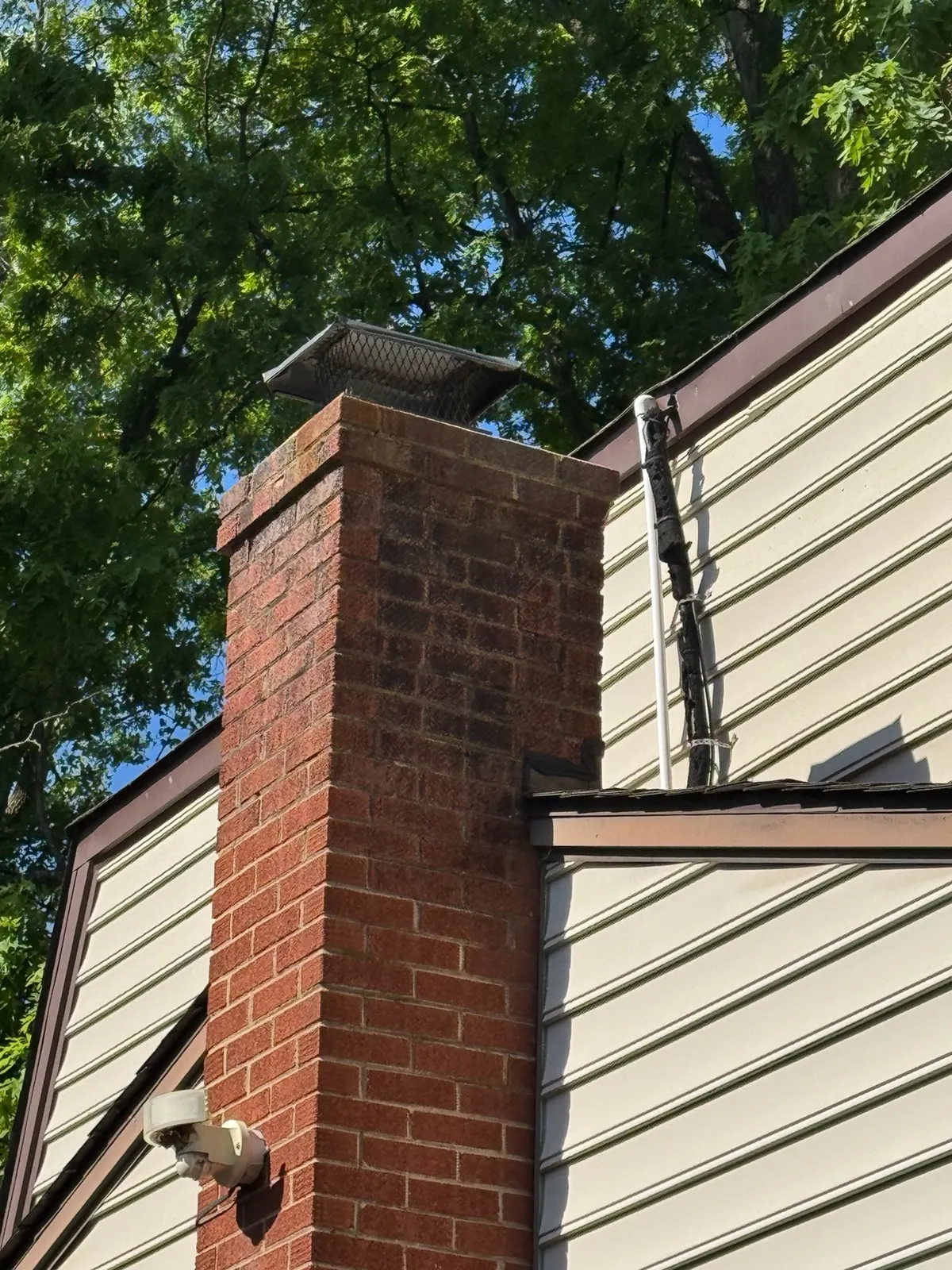
Removal without exclusion is a subscription, not a solution — the next raccoon finds the same open flue within a season. Every removal we do ends with a fitted stainless cap with a sturdy screen, sized to the flue. It is the last chapter of the animal story for that chimney, and in salt air, stainless is the material that makes "last" true.
This work is searched for by many names. Every service below is performed as part of — or booked through — this one:
Keep the damper closed, do not light a fire, and call us. We identify the species first — the right removal depends entirely on who is in there.
Not while they are nesting — swifts are federally protected, and nests with young must stay until the birds fledge and migrate in the fall. We schedule the clean-out and cap for right after they leave.
Yes — mothers and litters are removed together, humanely, and the flue is cleaned and capped afterward. Spring is raccoon season; the sooner the call, the simpler the job.
A properly fitted stainless cap with an intact screen is the standard exclusion. Animals enter through open or rusted-out tops; a sound cap ends the access.
Yes — nesting material, debris and droppings come out of the flue and smoke shelf, and the system is swept before it returns to service.
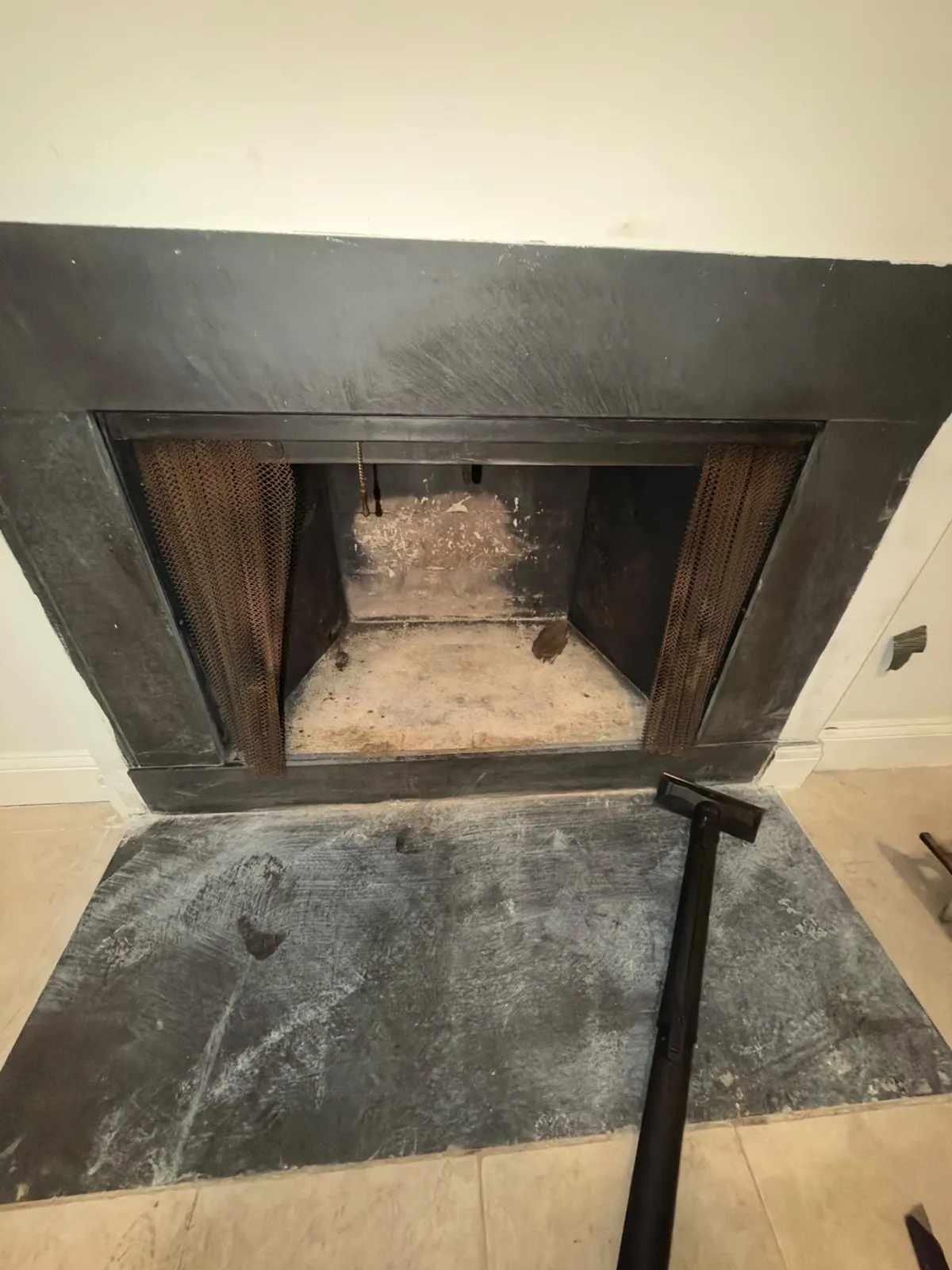
A full sweep of the flue, firebox and smoke chamber — creosote gone, draft restored, and a written condition report before we leave.
Learn more →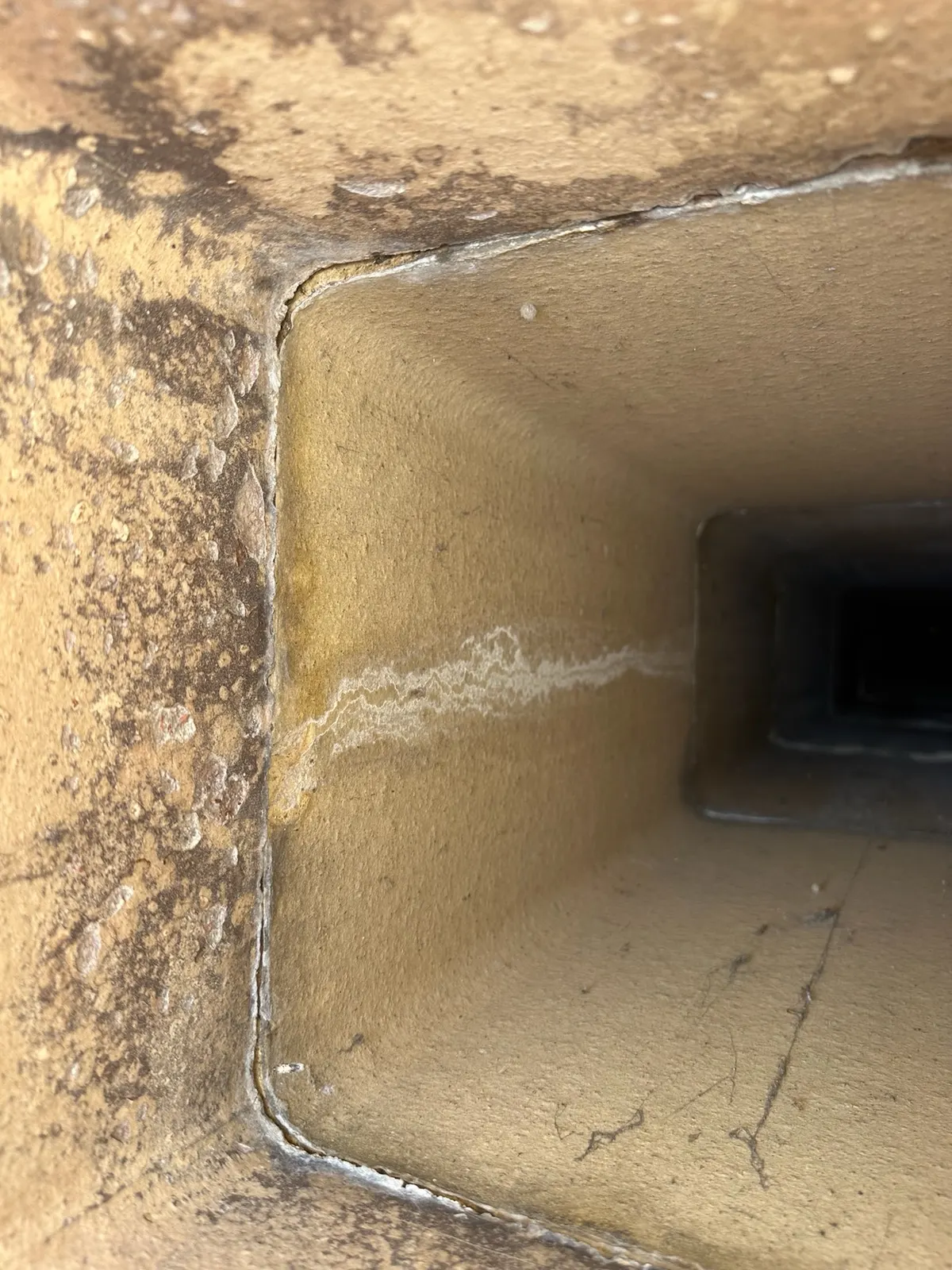
Level 1 and Level 2 chimney inspections with camera scanning, a photo report and straight answers — for annual checks, home sales and after a chimney fire.
Learn more →
The annual inspection for chimneys in regular service: every accessible part checked, condition documented, safety confirmed for another season.
Learn more →
Camera inspection of the entire flue, plus attics, crawl spaces and concealed areas — the inspection for home sales, chimney fires and appliance changes.
Learn more →