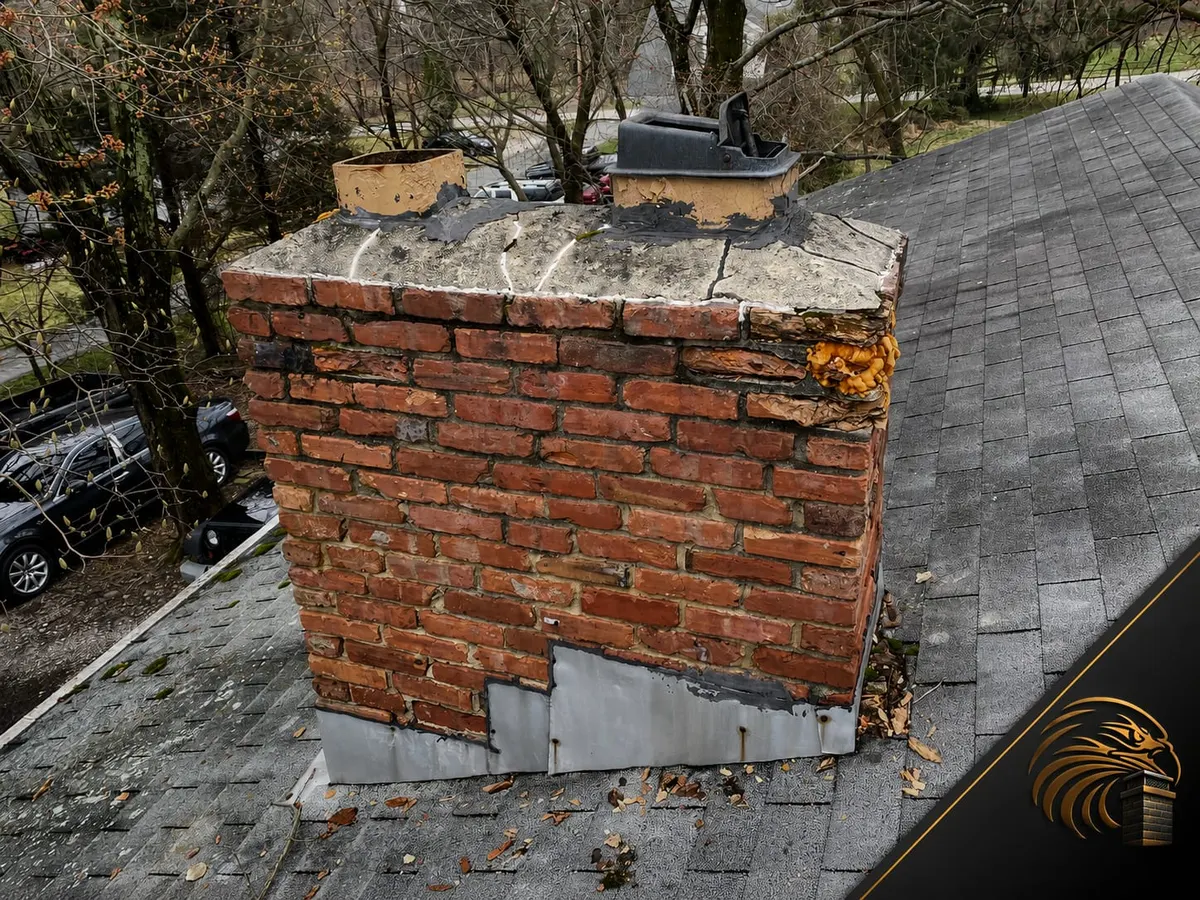
Step and counter-flashing repair where the chimney meets the roof — the junction behind most "roof leaks" that are actually chimney leaks.
The stain on the ceiling below the chimney is rarely a roof problem. It is usually a flashing problem: the metal junction where the chimney passes through the roof, sealed by step flashing woven into the shingles and counter-flashing set into the mortar joints. When either layer fails — rusted through, lifted by a storm, or caulked over in a past patch — water follows the stack straight down into the house.
We repair flashing the correct way: failed metal out, new step and counter-flashing installed and set into reglet cuts in the mortar, sealed properly. Caulk-only patches are the most common failed repair we remove; they last a season or two and hide the leak while the wood below rots.
Tell us about your chimney or gas fireplace — we confirm every request by phone. Prefer to talk? Call (843) 427-3756.
Salt air corrodes galvanized flashing years before the same metal would fail inland, and storm winds work at the edges every hurricane season. The other coastal factor is thermal: a sun-baked roof moves, and flashing that was caulked rigid cracks its seal. Correctly installed flashing is layered and mechanical — metal lapped so gravity does the work — which is why it outlasts any tube of sealant by a decade or more.
Water stains near a chimney get quoted as roof jobs every week, and roofs get replaced over leaks that were flashing all along. Our leak tracing starts at the stack: crown, cap, flashing, mortar — in that order — with a hose test when the source is not obvious. You get photos of the actual entry point before anyone quotes you a repair, ours or a roofer's.
This work is searched for by many names. Every service below is performed as part of — or booked through — this one:
Stains that appear below or beside the chimney, dampness in the attic along the stack, and leaks that show up in wind-driven rain all point at flashing or crown. A tracing visit confirms it with photos.
We can, and we will tell you honestly that it is a one-to-two-season patch. The durable repair is new metal, correctly layered — which is what we recommend and quote.
Yes — when a job genuinely needs both trades, we coordinate the chimney side and flashing tie-in with your roofer's schedule.
Most residential flashing repairs finish in a single visit. Chimneys needing masonry work at the flashing line are scoped in writing first.
Yes — dated photos and a written scope, the documentation insurers ask for after a storm.
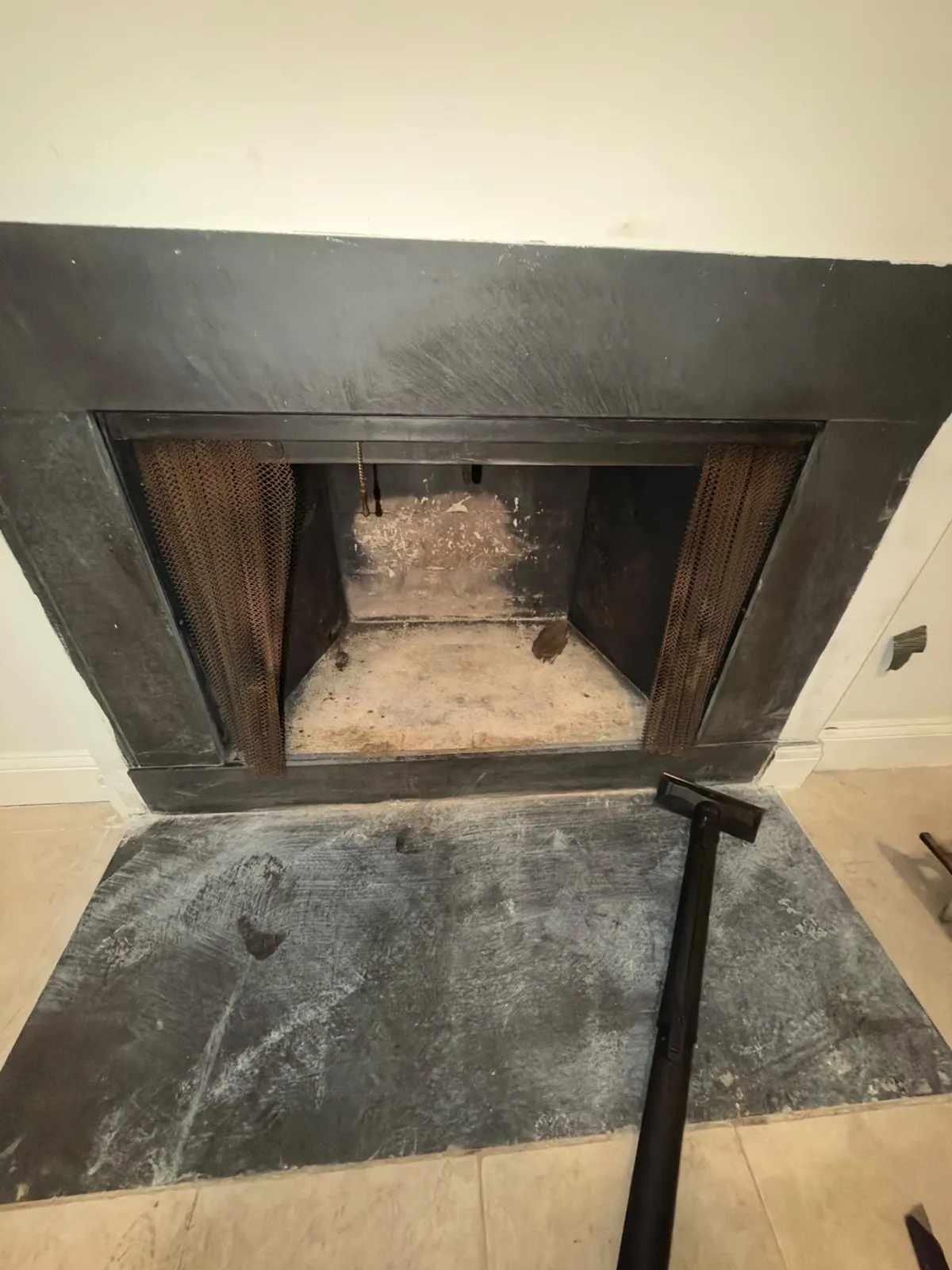
A full sweep of the flue, firebox and smoke chamber — creosote gone, draft restored, and a written condition report before we leave.
Learn more →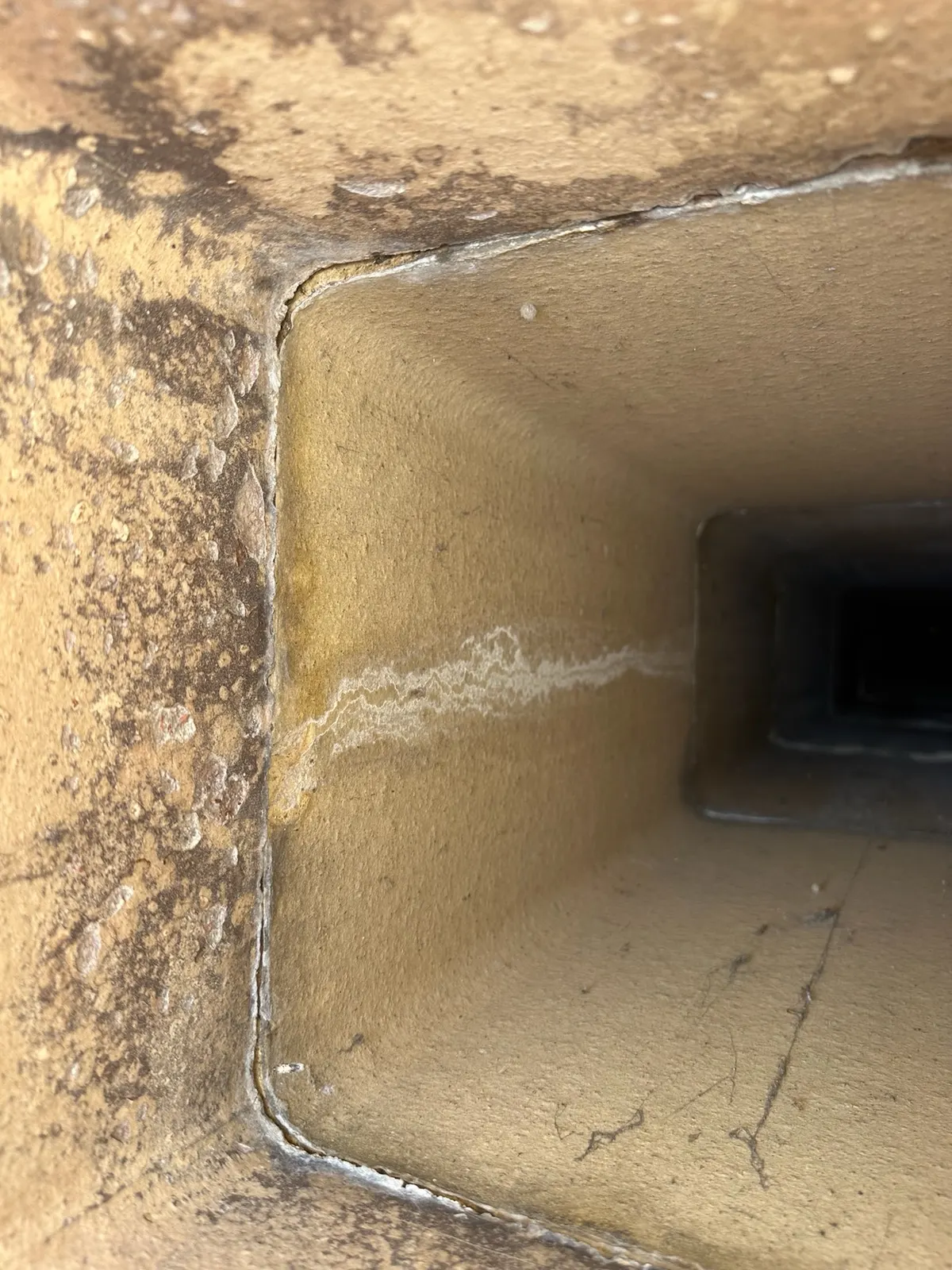
Level 1 and Level 2 chimney inspections with camera scanning, a photo report and straight answers — for annual checks, home sales and after a chimney fire.
Learn more →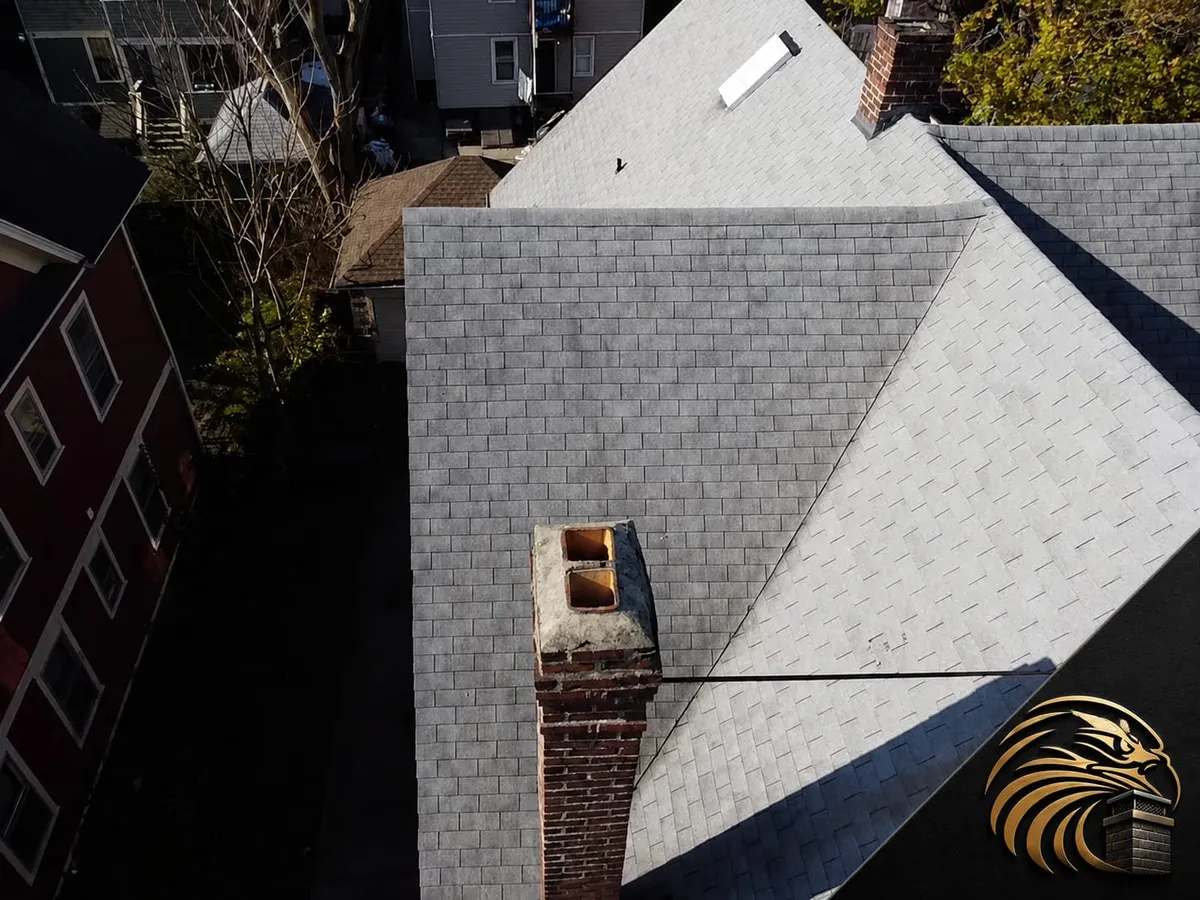
The annual inspection for chimneys in regular service: every accessible part checked, condition documented, safety confirmed for another season.
Learn more →
Camera inspection of the entire flue, plus attics, crawl spaces and concealed areas — the inspection for home sales, chimney fires and appliance changes.
Learn more →