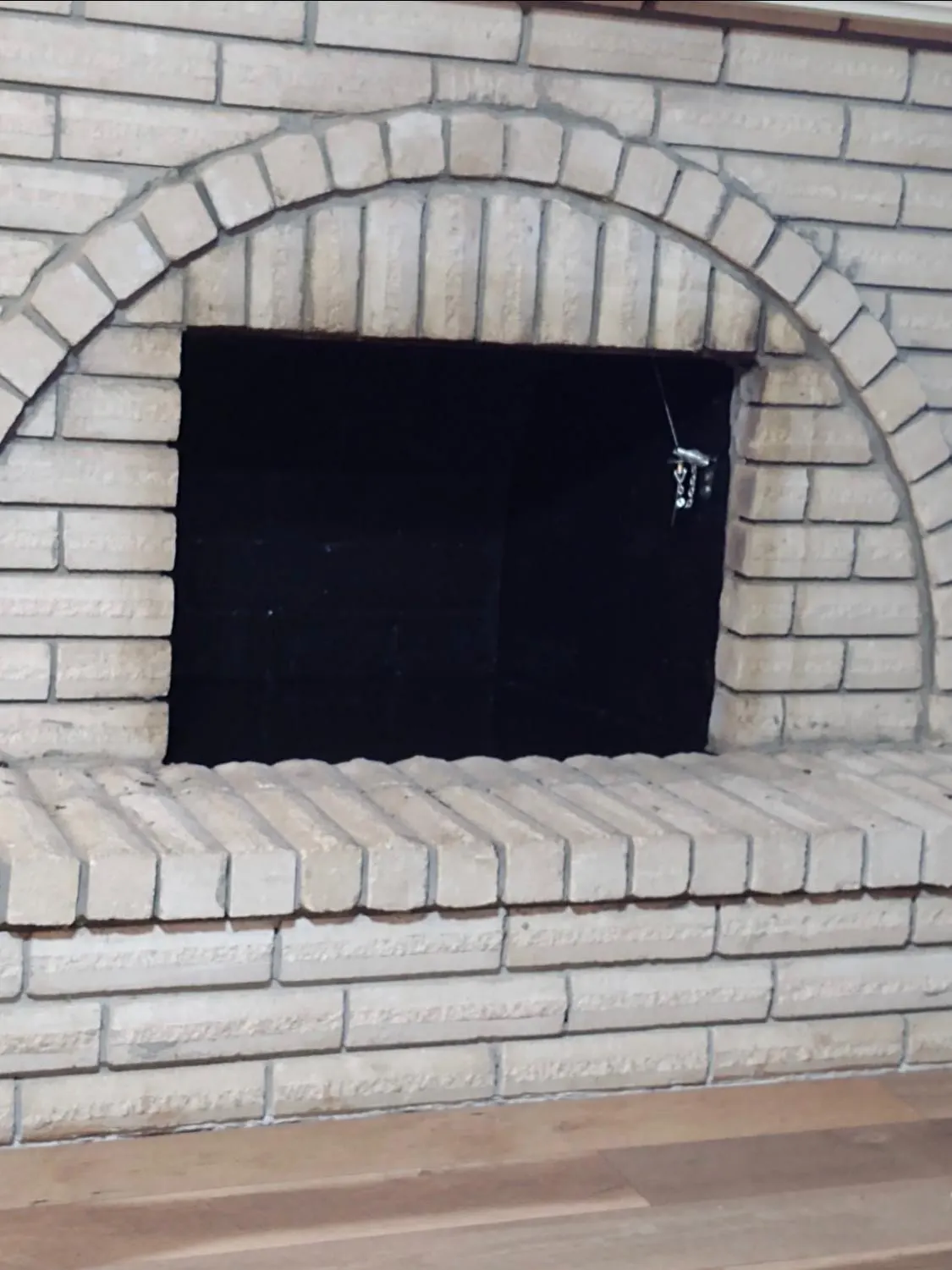
New fireplace, insert and stove installation — wood, gas and factory-built — with the flue sized, lined and vented correctly from day one.
Adding a fireplace, swapping a tired prefab unit, or putting a stove or insert into an existing firebox is construction with a fire in the middle of it — the installation decides whether the system drafts, heats and stays safe for decades. We install wood and gas fireplaces, fireplace inserts and stoves, and we handle the part most installers would rather not discuss: the flue.
Every installation starts with the chimney itself — camera inspection, sizing, and lining where the appliance requires it — so the new unit vents into a system built for it. The result is documented: appliance specs, liner specification and the first-service date, all in your file for the next sale or service visit.
Tell us about your chimney or gas fireplace — we confirm every request by phone. Prefer to talk? Call (843) 427-3756.
A fireplace insert is a stove that lives in your firebox, and it vents through your chimney — which means the chimney's size and condition govern which inserts work and how well. An insert vented into an oversized, unlined flue drafts poorly and builds creosote fast; the correct installation usually includes a stainless liner sized to the insert, run the full height of the flue. We scope that honestly before you choose the appliance, so the pretty part and the working part arrive together.
Converting a wood fireplace to gas is the most requested installation on the Grand Strand — instant flame for cool evenings, no wood storage in a humid climate, no ash in a rental. A conversion still uses the chimney as its vent, so the flue is inspected and corrected first, the gas unit is installed and commissioned with a combustion check, and the finished system is serviced on the annual gas program thereafter.
This work is searched for by many names. Every service below is performed as part of — or booked through — this one:
In most cases yes — the governing questions are the firebox dimensions and the flue's size and condition, which a camera inspection answers before you spend on the appliance.
Usually, yes — a full-height stainless liner sized to the insert is the standard correct installation and the one manufacturers specify. We include it in the written scope.
Yes — conversions are a specialty of ours on the Grand Strand. The flue is inspected first, then the gas unit is installed, vented and commissioned with safety checks.
Installations follow local code requirements for Horry and Georgetown counties; we will tell you plainly what your project needs and document the installation for your records.
An insert with a liner typically takes a day. New fireplaces and conversions are scoped individually — the timeline is in writing with the quote.
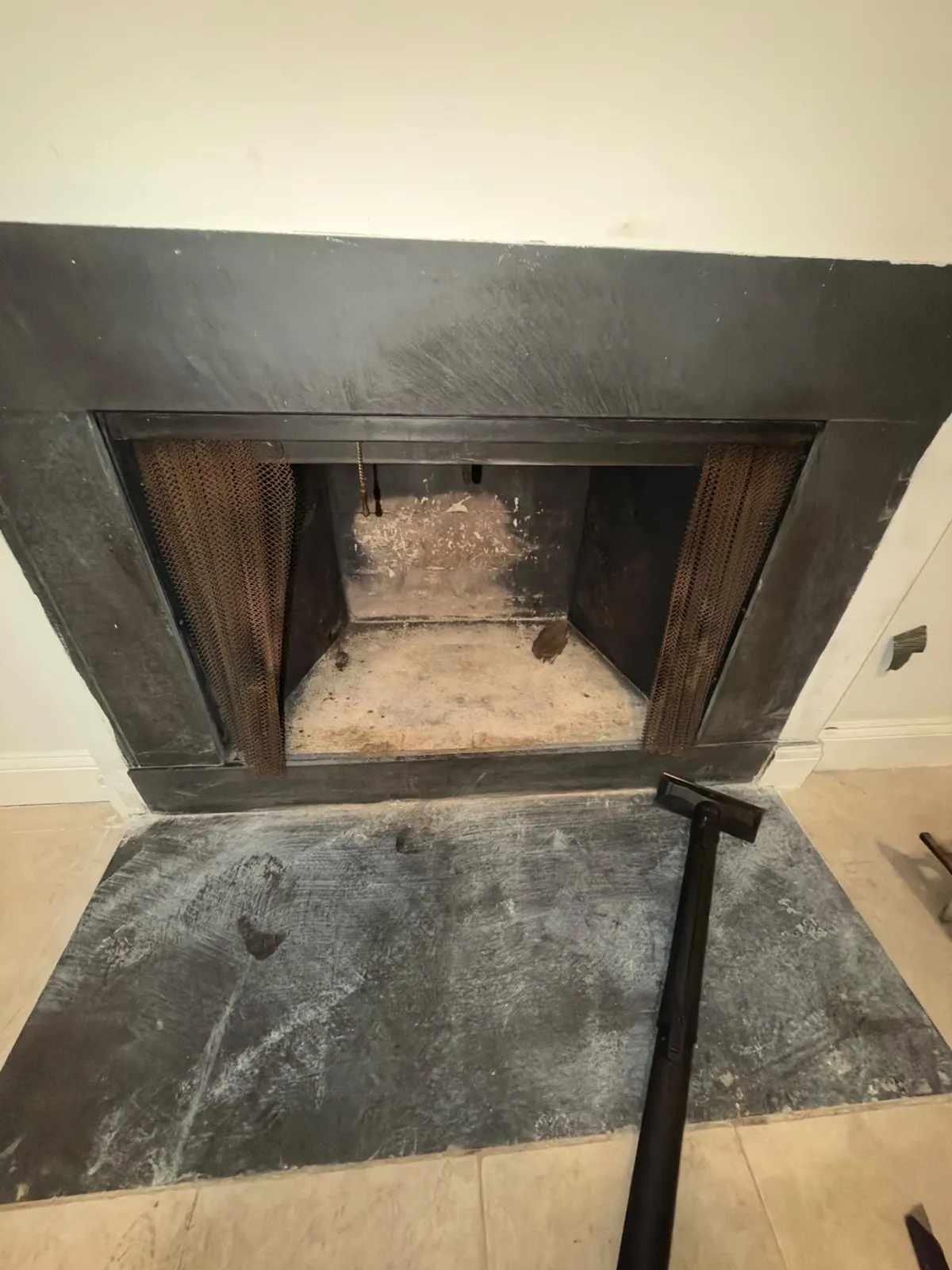
A full sweep of the flue, firebox and smoke chamber — creosote gone, draft restored, and a written condition report before we leave.
Learn more →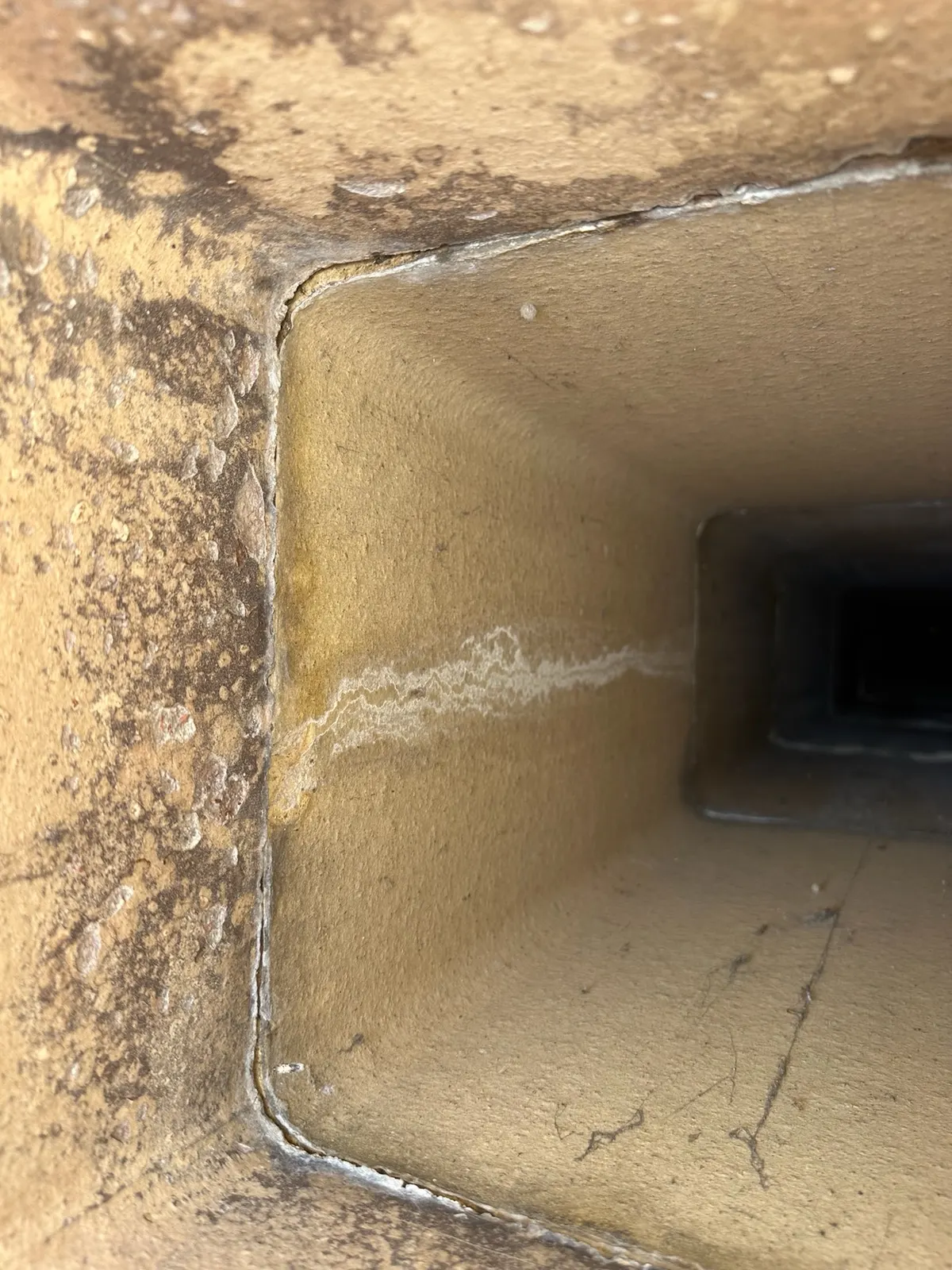
Level 1 and Level 2 chimney inspections with camera scanning, a photo report and straight answers — for annual checks, home sales and after a chimney fire.
Learn more →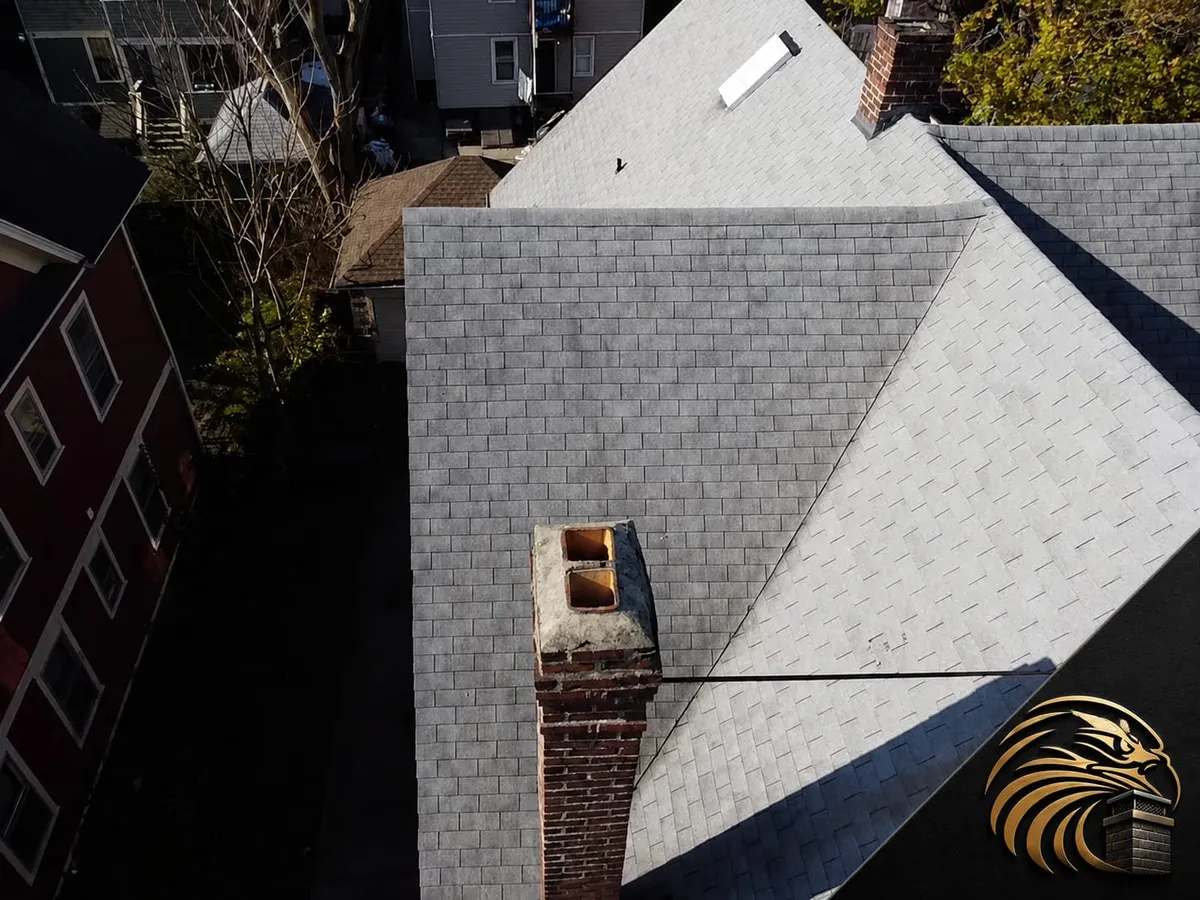
The annual inspection for chimneys in regular service: every accessible part checked, condition documented, safety confirmed for another season.
Learn more →
Camera inspection of the entire flue, plus attics, crawl spaces and concealed areas — the inspection for home sales, chimney fires and appliance changes.
Learn more →