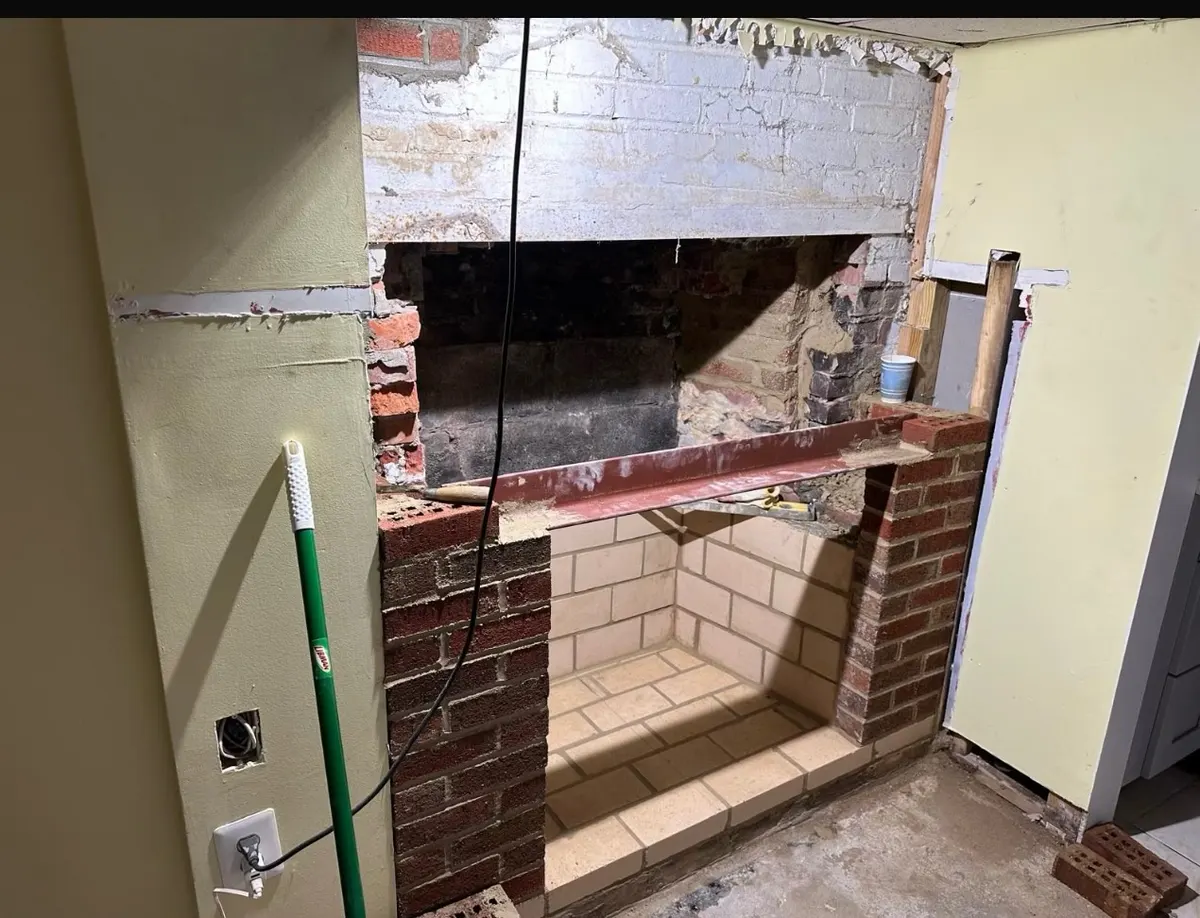
Firebox brick and mortar repair and rebuilding — cracked panels, crumbling joints and damaged firebrick fixed with refractory materials made for the fire's side of the wall.
The firebox takes the fire's heat directly, and its brick and mortar age accordingly: joints crack and recess, firebrick spalls, and in prefab fireplaces the refractory panels craze and split. A damaged firebox is more than ugly — gaps in the firebox wall let heat reach the structure behind it, which is precisely what the firebrick exists to prevent.
We repair fireboxes with the correct materials: refractory mortar for joints, replacement firebrick for masonry boxes, and manufacturer-matched refractory panels for factory-built fireplaces. The finished box is photographed, and the repair is scoped in writing before work begins — like everything else we do.
Tell us about your chimney or gas fireplace — we confirm every request by phone. Prefer to talk? Call (843) 427-3756.
A site-built masonry firebox is repaired brick by brick — failed joints ground out and repointed with refractory mortar, damaged firebrick swapped for new. A factory-built fireplace uses refractory panels that are consumable parts by design: hairline crazing is cosmetic, but cracks you can fit a coin into, or panels crumbling at the edges, mean replacement. We stock the conversation honestly: panels are wear items with a service life, and replacing them is routine maintenance, not a failure of the fireplace.
Firebox joints live at temperatures that destroy ordinary mortar — which is why a past repair with the wrong material often presents as joints that have turned to sand. Refractory mortar is formulated for the heat; using it is the difference between a repair that lasts and one that lasts a season. If your firebox was patched before and the patch failed, that is usually the story.
This work is searched for by many names. Every service below is performed as part of — or booked through — this one:
Cracks that pass through the firebox wall can let heat reach combustible structure — that is the firebox's one job prevented. Hairline surface crazing on prefab panels is usually cosmetic. An inspection with photos tells you which kind yours are.
If the damage is through-wall, no — we will tell you plainly and document why. Surface-level wear can usually wait safely for a scheduled repair.
Refractory mortar needs a cure period, and the first fires should be small and gradual. We give you the schedule in writing — typically a few days of patience for a repair that then lasts for years.
Yes — we source panels matched to the manufacturer and model where available, and measure and fit replacements where originals are discontinued.
That is usually creosote and soot staining, a cleaning matter rather than damage. A fireplace cleaning plus inspection sorts appearance from actual deterioration.
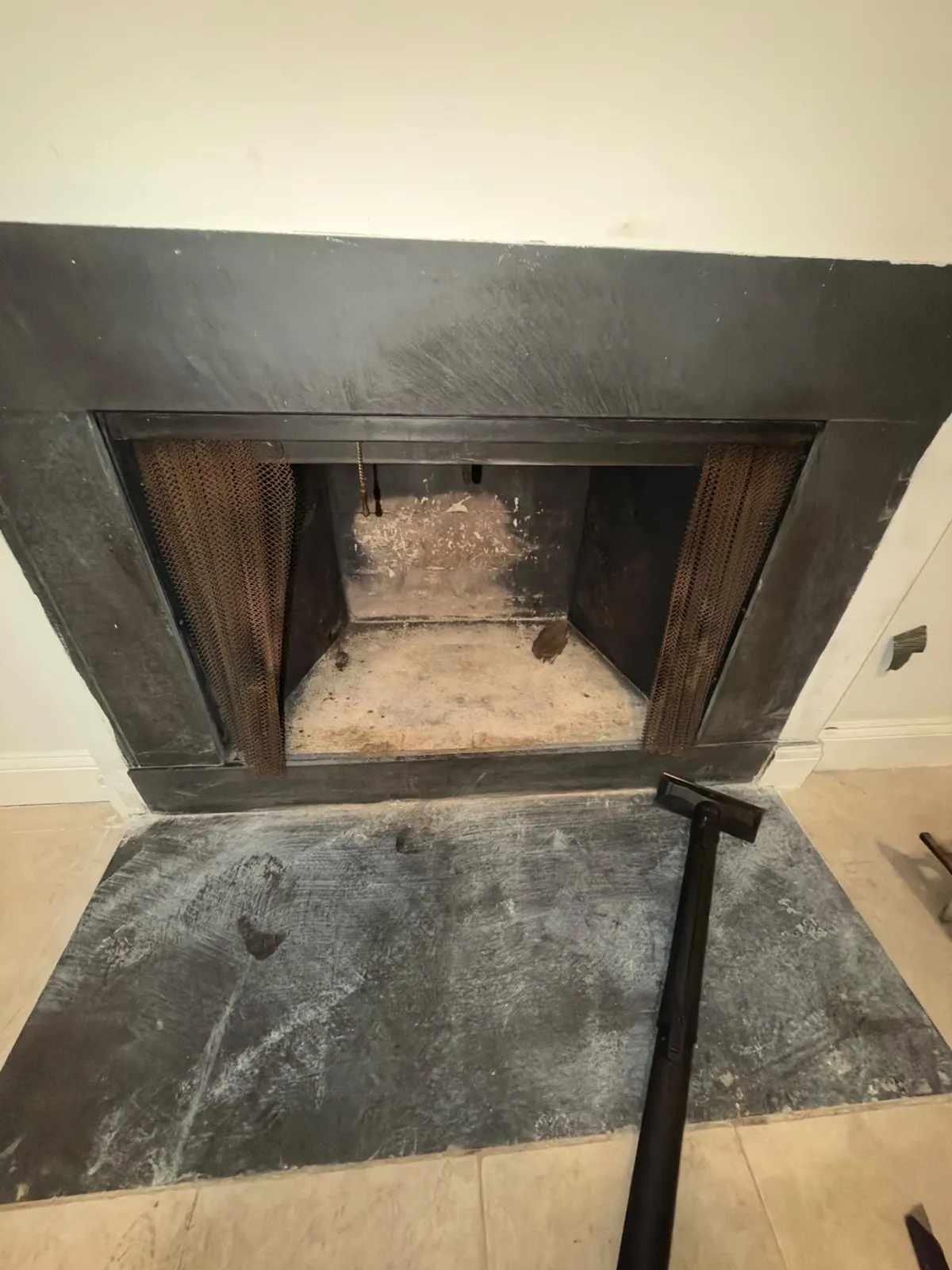
A full sweep of the flue, firebox and smoke chamber — creosote gone, draft restored, and a written condition report before we leave.
Learn more →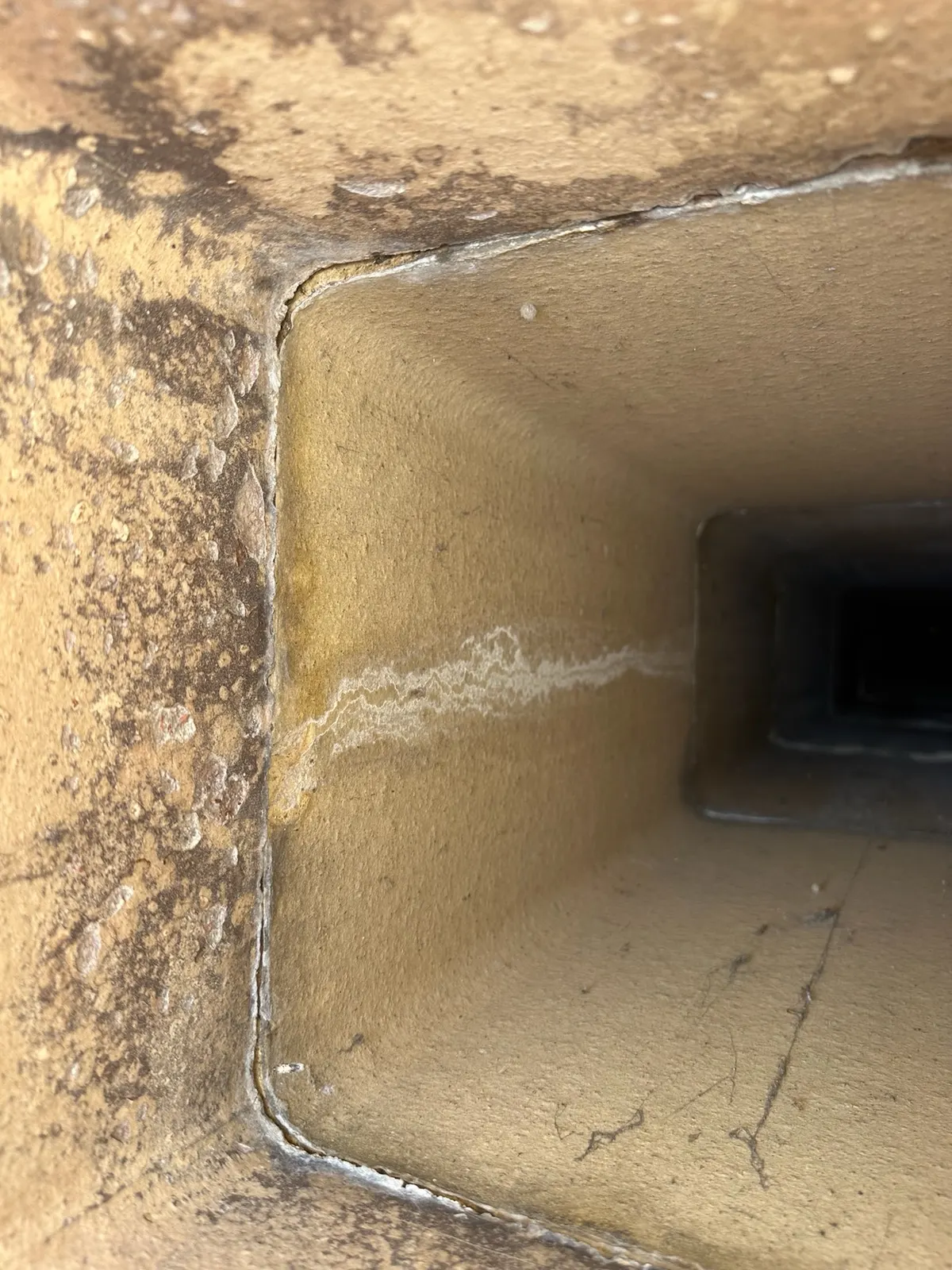
Level 1 and Level 2 chimney inspections with camera scanning, a photo report and straight answers — for annual checks, home sales and after a chimney fire.
Learn more →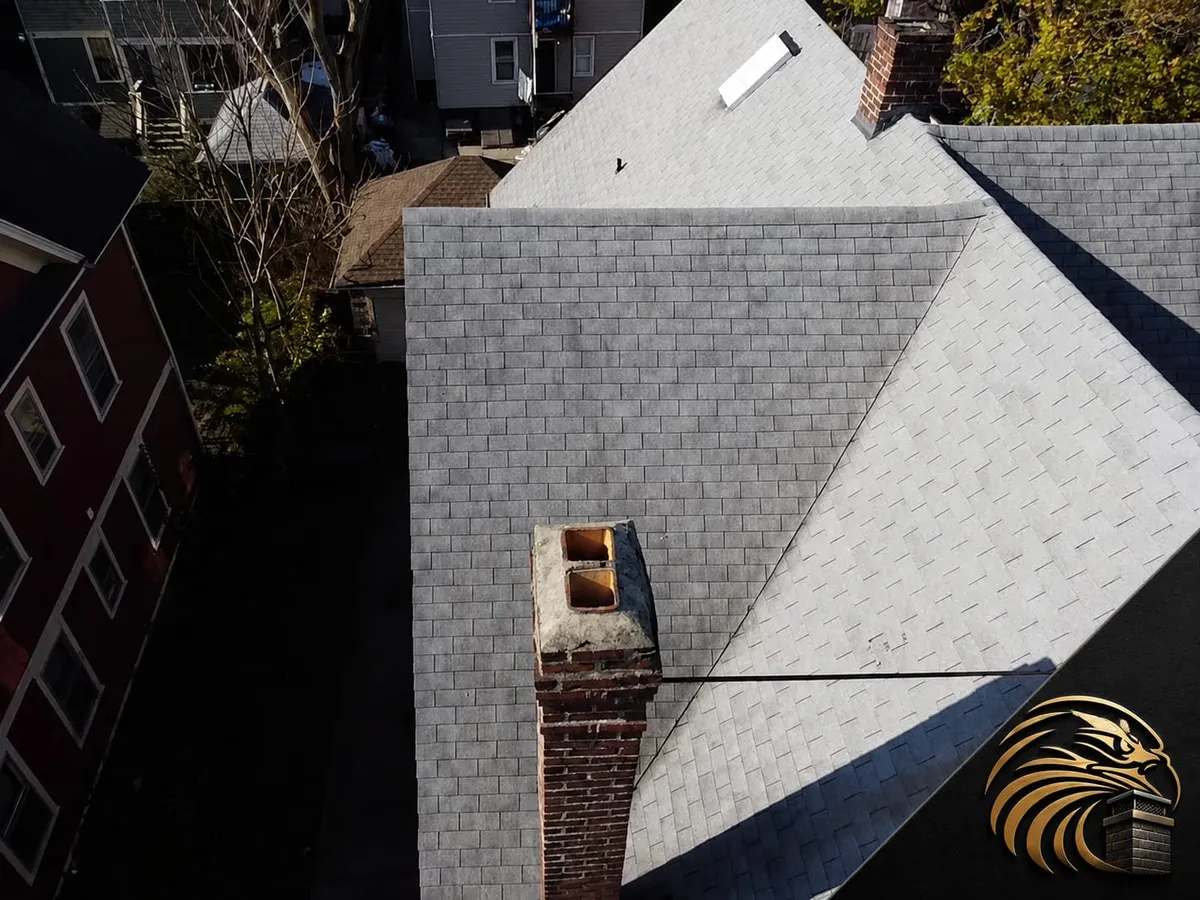
The annual inspection for chimneys in regular service: every accessible part checked, condition documented, safety confirmed for another season.
Learn more →
Camera inspection of the entire flue, plus attics, crawl spaces and concealed areas — the inspection for home sales, chimney fires and appliance changes.
Learn more →