
Chimney Care on the Grand Strand: What Salt Air and Storm Season Do to Your Chimney
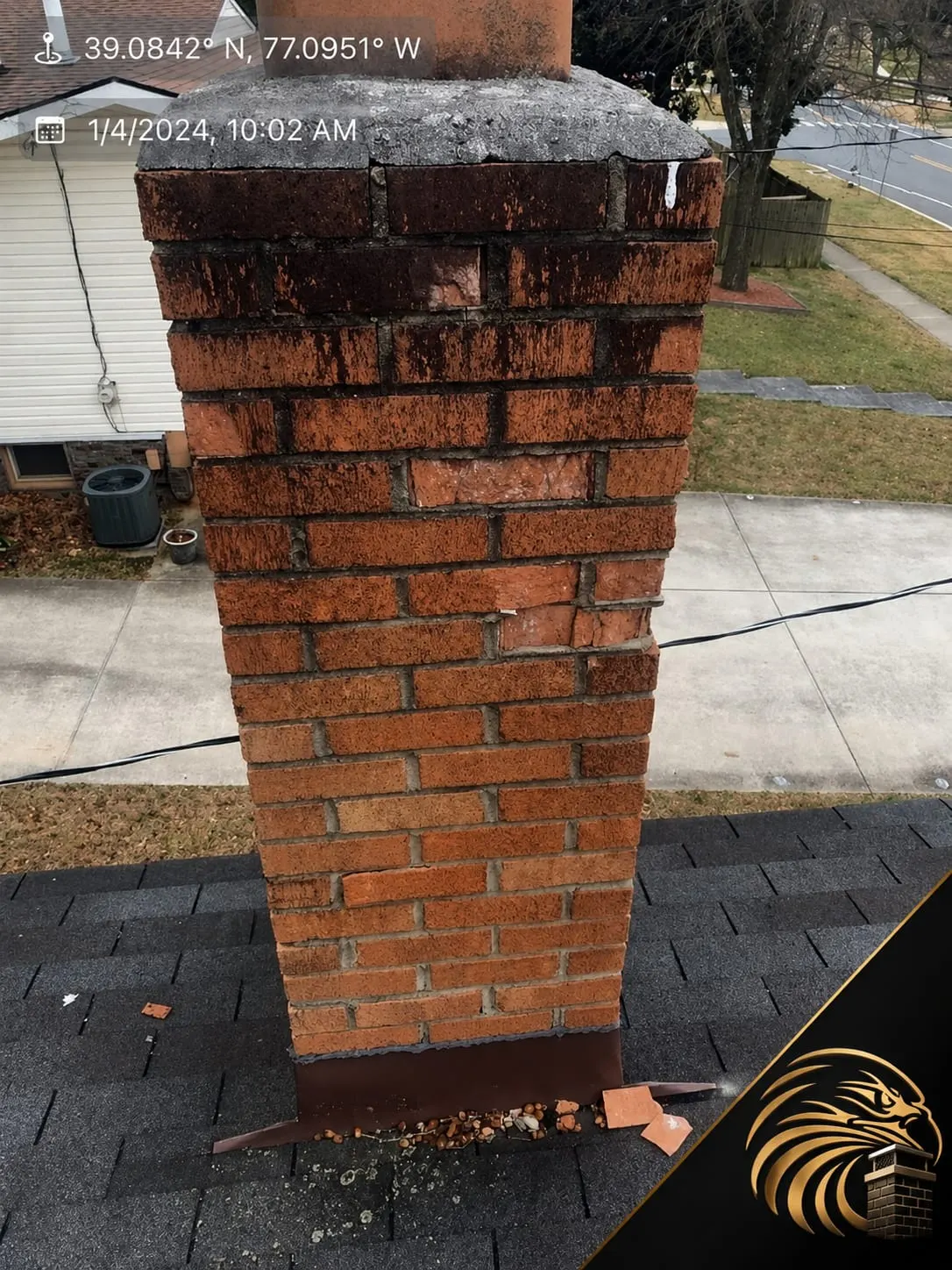
A chimney in Myrtle Beach lives a harder life than the same chimney fifty miles inland. The salt in the air goes to work on every metal part. The humidity keeps masonry damp for months at a time. And every few years, a storm arrives with horizontal rain and tests every seam at once. None of this is a reason to worry — it is a reason to keep a rhythm. Here is what the coast does to a chimney, and the schedule that stays ahead of it.
Salt air eats the metal first
The parts of your chimney that fail first on the coast are the metal ones: the cap, the damper, the flashing, the chase cover on a prefab chimney. Galvanized steel — which builders installed for decades — rusts in salt air years before it would fail inland. The brown streaks running down a chimney chase are the classic announcement. The fix, when those parts are replaced, is stainless steel: it costs more on the day and ends the replacement cycle entirely. When we inspect a Grand Strand chimney, the metal parts get looked at first, because they are where the coast strikes first.
Humidity keeps masonry working overtime
Brick and mortar are sponges, and a coastal chimney rarely fully dries. Wet masonry softens mortar joints over time, feeds the white salt staining called efflorescence, and — inside the flue — keeps creosote deposits damp, which is why unused fireplaces here smell like a campfire on humid days. The defenses are unglamorous and effective: a sound crown that sheds water off the top, mortar joints repaired while they are still joints and not channels, and a breathable, vapor-permeable waterproofing treatment on masonry that is still sound. Sealed, painted or film-coated chimneys trap the moisture inside and make things worse — the one waterproofing mistake we correct most often.
Storm season is the audit you did not schedule
A hurricane or a hard tropical storm tests a chimney all at once: wind lifts caps and flashing, rain drives sideways into joints that shed vertical rain just fine, and limbs come down on crowns. The smart move is a look before the season, not after — a cap secured, flashing sound, crown cracks sealed in June are non-events in September. After a major storm, the order flips: document first. Dated photos of a torn chase cover or lifted flashing are what an insurance claim runs on, and a post-storm camera inspection catches the debris and damage inside the flue that you cannot see from the yard.
The Grand Strand rhythm
Put together, the coastal schedule is simple: an annual sweep and inspection — ideally in spring, before storm season and before the fall rush — stainless replacements when metal parts fail, mortar and crown repairs done on time, and a documented check after any major storm. Vacation homes and rentals earn the same rhythm with one addition: the annual visit doubles as the condition record for a house nobody watches all year. Our chimney sweep in Myrtle Beach page shows what a visit includes.
A chimney on the coast does not need more care than a chimney anywhere else. It needs the right care on the right schedule — and it punishes improvisation. Eagle Chimney Services keeps that schedule for homeowners from Georgetown to Calabash: call (843) 427-3756 and get your chimney on the rhythm before the season sets it for you.
Questions Homeowners Ask About This
Why do you replace chimney metal parts with stainless steel?
Because salt air rusts galvanized steel years before it would fail inland — caps, dampers, flashing and chase covers are the first parts the coast takes. Stainless costs more on the day and ends the replacement cycle, which makes it the cheaper material over the life of the chimney.
How often should a coastal chimney be swept and inspected?
Once a year is the rhythm that works on the Grand Strand — ideally in spring, before storm season and before the fall rush. The visit catches salt-air damage while it is still a part, not a repair, and the chimney sits clean through the humid months instead of marinating in creosote.
What should I do about my chimney after a major storm?
Document first: dated photos of any visible damage — a torn chase cover, lifted flashing, a missing cap — are what an insurance claim runs on. Then book a documented inspection; a camera run catches the debris and damage inside the flue that you cannot see from the yard.
Need a Hand With Your Chimney?
Call (843) 427-3756 — phones answered 24/7, service Sunday through Friday across 14 Grand Strand communities.